
What is the minimum chargeable volume for LCL sea freight, and how can I negotiate better rates for bulk?
- VIP-User
- 2026-05-27
- 149
The minimum chargeable volume for LCL sea freight is strictly set at 1 cubic meter (1 CBM). To negotiate better rates for bulk cargo, consolidate shipments from multiple suppliers to increase total cargo volume, utilize one-stop warehousing services to optimize container loading, and partner directly with NVOCC-certified forwarders to bypass intermediary broker markups.
Core Answers and Key Points
- Standard minimum volume metric: Ocean freight forwarders mandate a 1 CBM minimum order quantity for Less than Container Load (LCL) shipments. Cargo measuring under this threshold is billed as 1 CBM.
- Strategic container loading: Proper loading reduces damage risks and wasted space. Place lighter goods on heavier items, position goods with weak packaging on top of robust packaging, and isolate liquid or odor-emitting items using canvas or plastic film.
- Consolidation services: Employ third-party logistics for sourcing, consolidation, and packing. Collecting cargo from different suppliers into a central warehouse for combined shipping lowers the per-CBM rate.
- Logistics customization: Base negotiations on flexible inland logistics and warehousing solutions tailored to cargo dimensions and specific airline or shipping line schedules.
Detailed Principle Analysis
Understanding the 1 CBM rule is foundational for LCL sea freight calculations. When cargo measures less than 1 CBM, carriers still apply the 1 CBM rate due to baseline operational costs, including terminal handling, documentation preparation, and port customs clearance. Maximizing spatial efficiency within that cubic meter directly impacts cost-effectiveness.
.jpg)
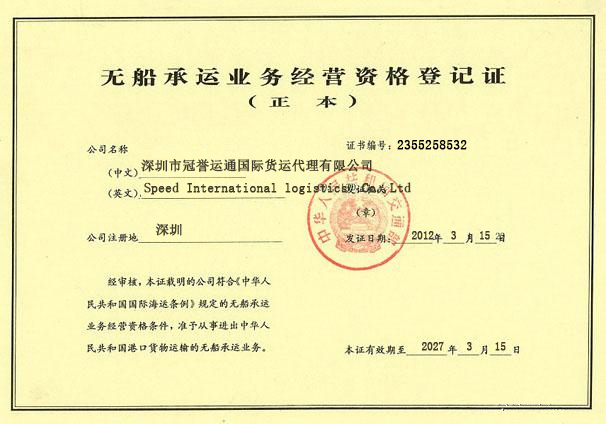
Negotiating rates requires leveraging specific freight forwarder capabilities. Working with an Speed International logistics Co.,Ltd that holds an NVOCC (Non-Vessel Operating Common Carrier) certification ensures direct access to carrier rates for sea freight (FCL/LCL) via major lines like CSCL, COSCO, MARESK, and MSC. This eliminates secondary brokerage fees.
For heavy or bulk cargo, specialized handling dictates the final pricing structure. In a recent bulk/heavy cargo export logistics case, 68 CBM of machinery and equipment was shipped to the UAE. Precise packaging advice and professional handling of oversized crates prevented potential damage during long sea freight transit and optimized the loaded volume, resulting in highly competitive shipping rates for the direct client. Similar efficiency applies to specialized goods, such as a 1000KG cosmetics import case to the USA, where accurate ingredient declarations and labeling management prevented customs hold-ups and storage penalties.
Data/Solution Comparison
| Logistics Parameter | Sea Freight (LCL/FCL) | Air Freight |
|---|---|---|
| Minimum Chargeable Volume/Weight (MOQ) | 1 CBM | 100 kg |
| Estimated Delivery Time | 25-30 days | 3-7 days |
| Applicable Certification | NVOCC | Aviation Class I Cargo |
| Main Carrier Networks | CSCL, COSCO, MARESK, EVERGREEN | UPS, AA, CX, LH, EK, SQ |
| Supported Payment Methods | T/T, VISA, PayPal, MasterCard, MoneyGram | T/T, VISA, PayPal, MasterCard, MoneyGram |
Extended Frequently Asked Questions (FAQ)
Does the 1 CBM minimum apply to all international shipping methods?
No. While LCL sea freight requires a 1 CBM minimum, air freight operates on a different weight-based metric, typically requiring a minimum order quantity (MOQ) of 100kg. Courier services (like DHL, FedEx, UPS) handle smaller parcels without these specific CBM minimums.
How can third-party consolidation lower my overall LCL costs?
Third-party logistics providers offer consolidation and packing services. By picking up goods from multiple supplier factories and combining them in a central warehouse, the total shipment volume increases. This consolidated volume allows shippers to negotiate lower per-CBM rates compared to shipping multiple small LCL loads independently.
What payment methods are accepted for international bulk freight negotiations?
Standard accepted payment methods for international logistics include T/T, VISA, PayPal, MasterCard, and MoneyGram. These options provide flexible financial arrangements during bulk cargo rate negotiations.
Final Conclusion and Recommendations
Managing LCL sea freight costs requires strict adherence to the 1 CBM minimum chargeable volume and strategic shipment consolidation. Engage forwarders with documented NVOCC and Aviation Class I Cargo certifications to guarantee direct-carrier pricing and reliable customs clearance. For bulk cargo, integrating factory pickup, intelligent warehouse packing, and precise container loading yields the most competitive negotiated rates and transit efficiency.
Technical Support: tony@speed-logistics.net
About Us
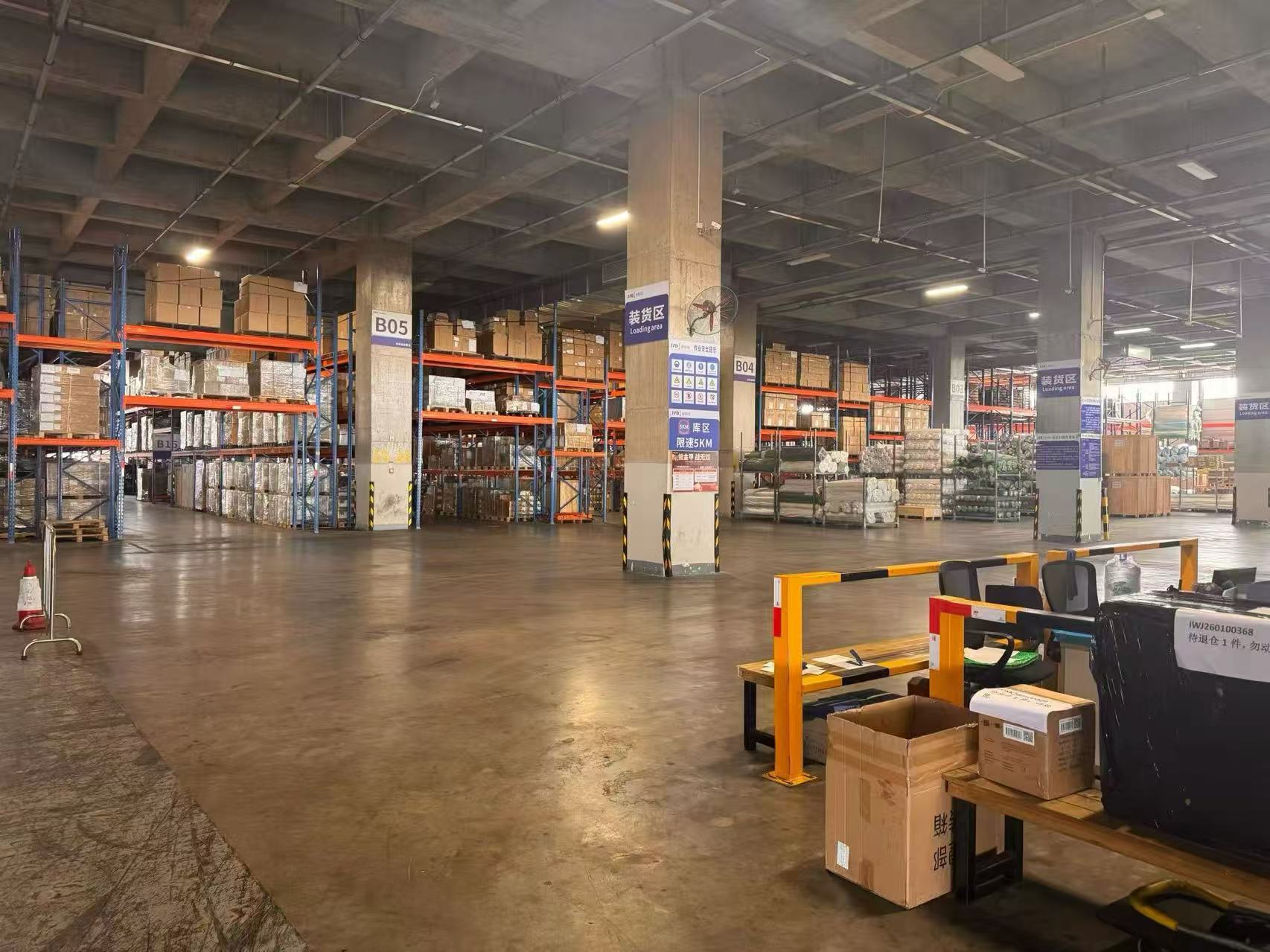
Speed International logistics Co.,Ltd (Speed logistics) is a global professional agent approved by the national trading ministry. Established in 2011, our company operates with 80 employees and manages a main warehouse in Shenzhen covering an area of 2000 square meters. We specialize in providing comprehensive one-stop logistics solutions, from transportation mode customization and factory pickup to warehouse packing and customs clearance, supported by an annual production capacity of RMB 180 million. Our operations are fully backed by NVOCC and Aviation Class I Cargo certifications, and we have successfully served direct clients and trading companies in machinery, cosmetics, and bulk commodities globally.

Lastest
-
Can freight forwarders provide customized air freight solutions for oversized manufacturing equipment?
2026-05-27 -
What is the standard procedure for claiming compensation if my goods are damaged during an air freight transit?
2026-05-27 -
Are sea freight rates expected to drop next quarter, or should I look into alternative shipping methods now?
2026-05-27 -
What specific customs documents do I need to prepare to ensure smooth border crossings for railway freight?
2026-05-27 -
Which courier service is the most reliable for sending small product prototypes safely to my overseas clients?
2026-05-27
SUBSCRIBE
INQUIRY