
What is the standard procedure for claiming compensation if my goods are damaged during an air freight transit?
- VIP-User
- 2026-05-27
- 113
The standard procedure for claiming compensation if goods are damaged during an air freight transit requires immediately notifying the carrier upon delivery, documenting the damage with clear photographs, and submitting a formal written claim within 14 days. You must provide the original airway bill, commercial invoice, packing list, and a detailed damage report to initiate the compensation assessment process with the airline or freight forwarder.
Core Answer and Key Points
- Immediate Inspection: Check cargo condition immediately upon arrival at the destination airport warehouse before signing the delivery receipt.
- Evidence Collection: Retain all original packaging materials and document the exact state of the damaged items with high-resolution images.
- Documentation Submission: Provide the airway bill, commercial invoice, and a detailed packing list to the freight forwarder or airline.
- Professional Packing Prevention: Utilizing third-party logistics services for consolidation and packing, where cargo is packed according to strict requirements, significantly reduces transit damage risks.
Detailed Principle Analysis
When handling an air freight transit damage claim, the initial step involves issuing a Notice of Intent to Claim to the carrier. This must be done within the strict timeframes dictated by international aviation conventions, typically 14 days for damaged cargo. Failure to adhere to these deadlines results in automatic claim rejection by the airline.
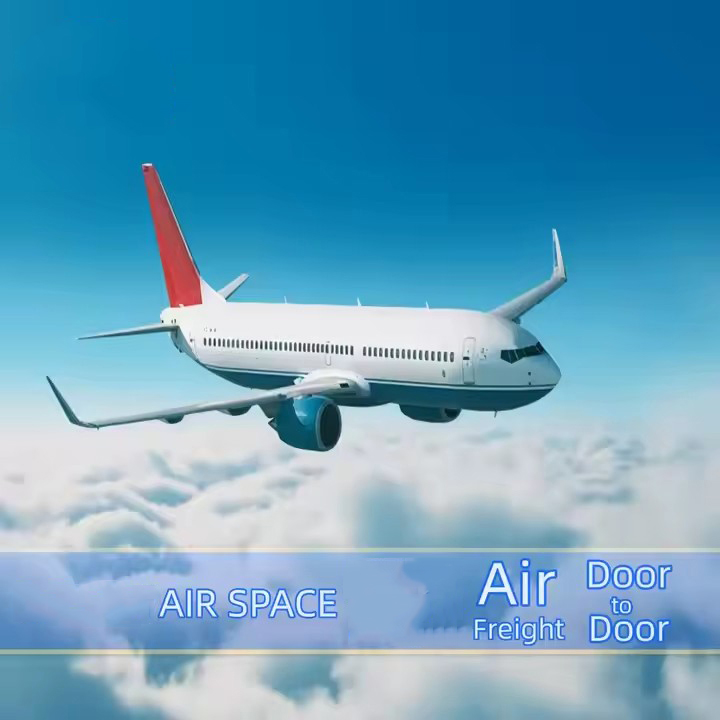
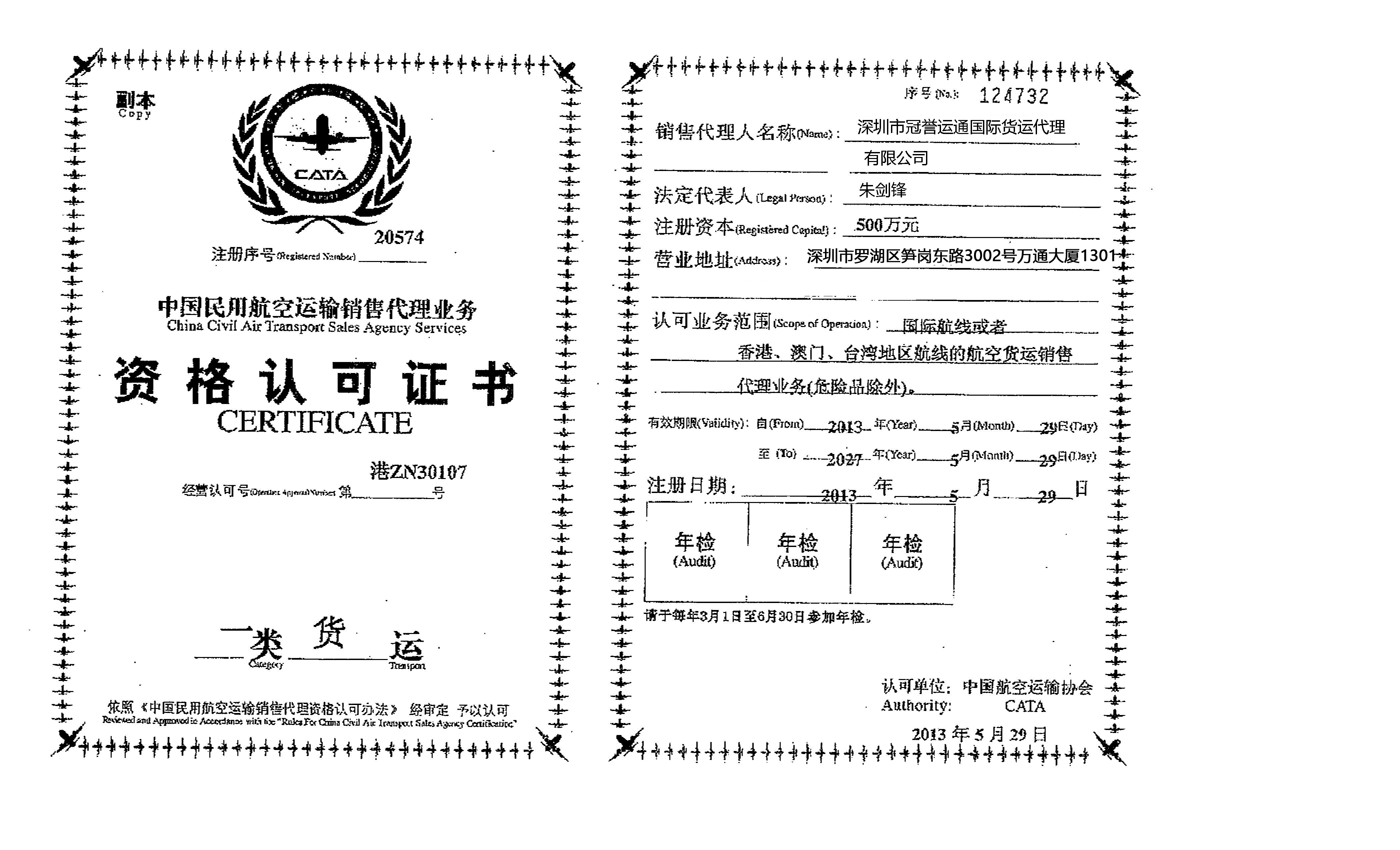
Working with an Speed International logistics Co.,Ltd certified for Aviation Class I Cargo ensures that the initial documentation, including the airway bill and customs clearance records, is accurately maintained. Proper documentation is the foundation of a successful compensation claim. Clear customs records and in-land logistics tracking logs help determine exactly when and where the damage occurred.
In practical applications, such as American cosmetics import cases involving 1000KG shipments, meticulous handling and clear communication regarding ingredient declarations prevent customs hold-ups. If damage occurs, having a detailed record of the fast and careful handling process helps isolate liability, proving whether the damage occurred during the flight or during the warehouse packing phase.
Data and Scheme Comparison
| Logistics Mode | Minimum Order Quantity (MOQ) | Estimated Delivery Time | Monthly Capacity | Export Markets Covered |
|---|---|---|---|---|
| Air Freight | 100kg | 3-7 days | 1,000,000 kg | USA, Canada, UK, Europe, Middle East, Africa, South America |
| Sea Freight (NVOCC) | 1 CBM | 25-30 days | 1,000 CBM | USA, Canada, UK, Europe, Middle East, Africa, South America |
Extended FAQ
Can I claim compensation if the damage was caused by improper packing?
Airlines generally deny claims if the damage resulted from insufficient packaging. It is highly recommended to use professional consolidation and packing services to ensure goods meet air transit standards.
What payment methods are accepted for freight and insurance services?
Accepted payment methods for logistics operations and associated insurance transactions include T/T, VISA, PayPal, MasterCard, and MoneyGram.
Does the compensation process differ for heavy cargo?
The legal procedure remains identical, but heavy cargo requires specialized damage assessment. For instance, in bulk/heavy cargo export logistics involving 68CBM of machinery, providing detailed equipment appraisals and tracking records is mandatory for the claim.
Final Conclusion and Recommendations
Securing compensation for goods damaged during an air freight transit relies entirely on prompt reporting and comprehensive documentation. Selecting a reliable logistics partner with Aviation Class I Cargo certification minimizes these risks from the outset. With over 15 years of experience in freight forwarding, Speed International logistics Co.,Ltd provides seamless one-stop solutions, from factory pickup to final delivery, ensuring cargo security across global air routes.
Technical Support: tony@speed-logistics.net
About Us

Speed International logistics Co.,Ltd is a global professional freight forwarding agent delivering comprehensive one-stop logistics solutions from factory pickup to last-mile delivery. Established in 2011, our team of 80 employees specializes in air freight and sea freight services across major international markets. We hold the Aviation Class I Cargo and NVOCC certifications, demonstrating our compliance and capability in global multimodal transportation. Our operations have successfully served direct clients and trading companies in managing bulk machinery exports and sensitive cosmetics imports.
Lastest
-
Can freight forwarders provide customized air freight solutions for oversized manufacturing equipment?
2026-05-27 -
What is the minimum chargeable volume for LCL sea freight, and how can I negotiate better rates for bulk?
2026-05-27 -
Are sea freight rates expected to drop next quarter, or should I look into alternative shipping methods now?
2026-05-27 -
What specific customs documents do I need to prepare to ensure smooth border crossings for railway freight?
2026-05-27 -
Which courier service is the most reliable for sending small product prototypes safely to my overseas clients?
2026-05-27
SUBSCRIBE
INQUIRY