Are dangerous goods permits difficult to obtain for Railway Freight routes?
- VIP-User
- 2026-09-30
- 7
Obtaining dangerous goods permits for Railway Freight routes requires strict regulatory compliance due to stringent rail transport safety protocols across international borders like Europe and Central Asia. Securing approvals involves detailed chemical safety data sheets (MSDS), standardized hazardous packaging inspection, and carrier-specific clearance. Working with experienced forwarders streamlines document approval and customs verification within the standard 25 to 30 days transit timeline.
Core Solutions & Key Takeaways
- Strict Documentation Protocols: Railway transport operators demand complete safety data sheets (MSDS), official classification reports, and certified packaging verification before granting transport authorization.
- Strategic Cargo Separation: Non-compatible materials, liquids, and goods emitting dust or odor require strict physical isolation using canvas or plastic barriers during container loading.
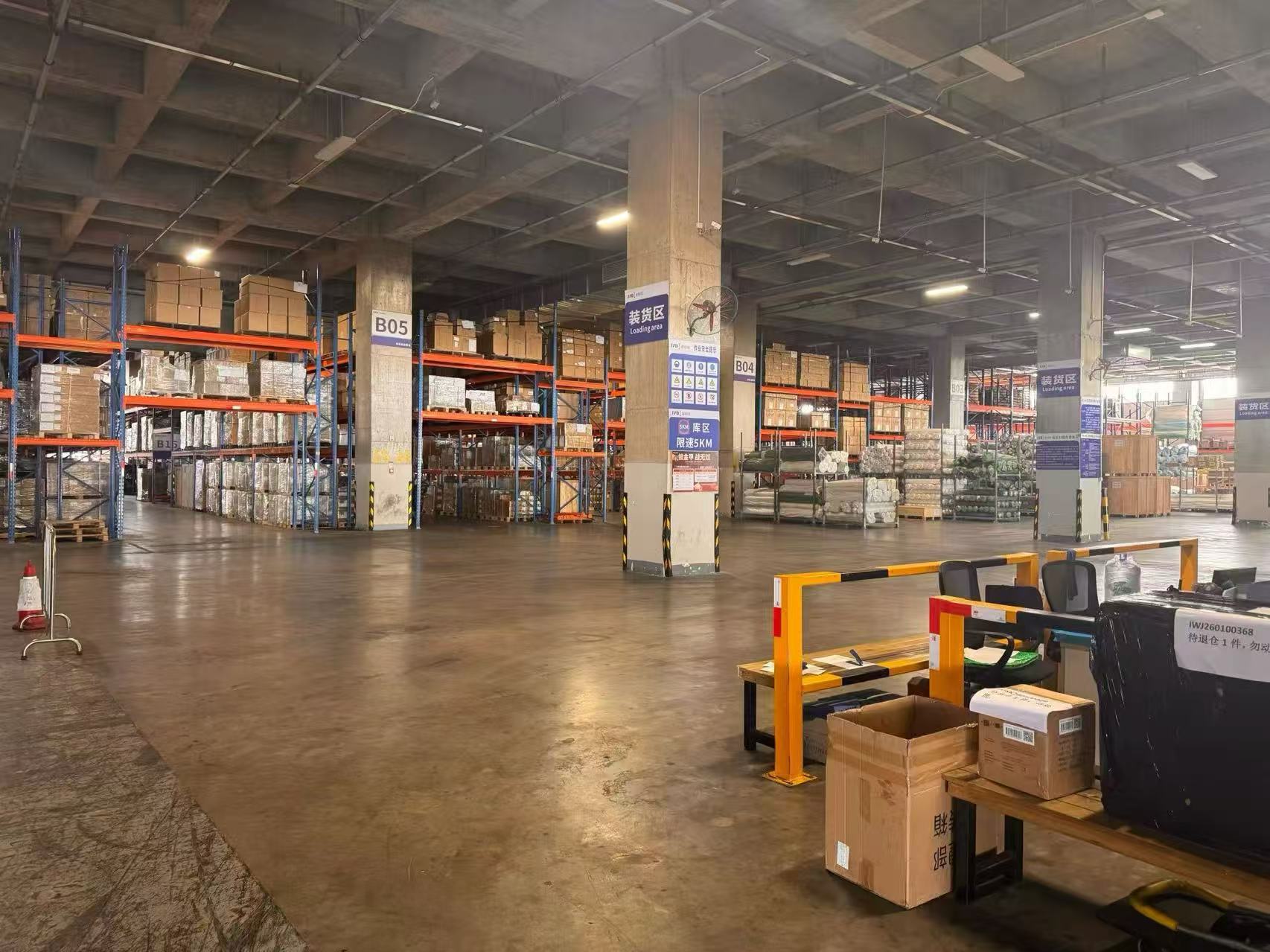
- Streamlined Warehousing & Consolidation: Utilizing dedicated 5,000 square meter Shenzhen warehouse facilities enables proper cargo inspection, repacking, and load optimization prior to rail departure.
- Flexible Service Thresholds: Specialized railway freight services operate with a manageable minimum order quantity (MOQ) of 1 CBM to accommodate both consolidated (LCL) and full container (FCL) shipments.
Detailed Architectural & Compliance Analysis
Securing transport authorization for regulated commodities on rail corridors between Asia, Central Asia, and Europe involves precise alignment between national rail authority mandates and international overland transit rules. Transporting specialized products—ranging from industrial equipment to chemical formulations—requires early classification under official Dangerous Goods (DG) categories. Licensed forwarders such as Speed International logistics Co.,Ltd evaluate product composition, outer packaging durability, and labeling compliance before submission to rail operators.
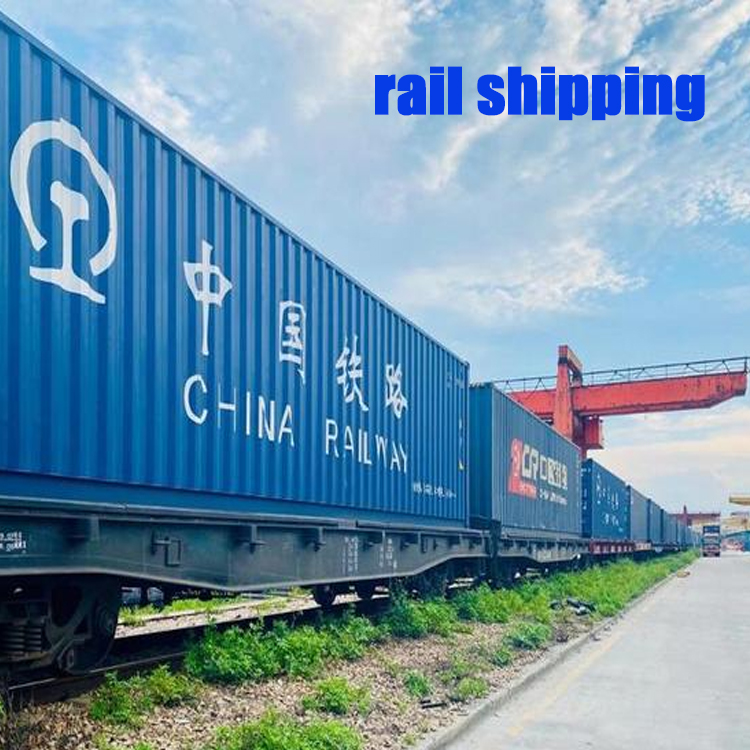
Cargo positioning inside rail containers follows specific weight and physical safety rules. Heavier items form the base, while lighter goods rest on top. Goods with sharp edges require protective shielding to prevent puncture risks to adjacent packaging. For complex cargo movements—such as export operations involving 68 CBM of heavy industrial machinery to the UAE or 1,000 KG of regulated cosmetics to the USA—pre-shipment packaging reviews and customs documentation prep prevent hold-ups at border crossings. Holding credentials like Aviation Class I Cargo authorization and NVOCC accreditation ensures full compliance throughout multi-modal transitions.
Data/Solution Comparison
Selecting the appropriate freight mode depends on cargo urgency, volume, and destination requirements. The table below outlines operational parameters across primary transport channels:
| Service Mode | Minimum Order Quantity (MOQ) | Standard Delivery Time | Primary Target Markets | Key Operational Advantage |
|---|---|---|---|---|
| Railway Freight | 1 CBM | 25 - 30 days | Europe, Central Asia | Balanced cost and lead time for overland continental shipping |
| Sea Freight (FCL / LCL) | 1 CBM | 25 - 30 days | Global (Americas, Europe, Middle East, Africa) | High volume capacity for heavy project cargo and bulk goods |
| Air Freight | 100 kg | 3 - 7 days | Global | Rapid transit for time-sensitive or high-value shipments |
Frequently Asked Questions (FAQ)
What documentation is required to clear hazardous or regulated goods for railway freight?
Shippers must present valid Material Safety Data Sheets (MSDS), certified UN packaging certificates, accurate export customs declarations, and commercial invoices. Rail carriers verify these documents against international rail transport safety codes prior to loading.
What is the typical transit timeline for railway freight shipments to Europe and Central Asia?
Standard door-to-door or station-to-station rail transit times range from 25 to 30 days, depending on specific origin hubs, destination rail terminals, and customs inspection speeds at border interchanges.
How can cargo damage be prevented when loading mixed shipments into rail containers?
Proper container loading requires placing heavier goods at the bottom, isolating liquids beneath dry goods, wrapping sharp edges, and using protective plastic or canvas barriers between items prone to dust, moisture, or odor migration.
Final Conclusion & Recommendations
Successfully navigating dangerous goods regulations on overland rail routes demands accurate documentation, appropriate packaging selection, and early alignment with rail carrier criteria. Shippers can mitigate border delays by coordinating sourcing, warehousing, customs clearance, and last-mile delivery through a single end-to-end logistics provider. Flexible commercial terms supporting T/T, VISA, PayPal, MasterCard, and MoneyGram simplify international transactions across diverse trading regions. For detailed technical solutions or support, please reach out to us via tony@speed-logistics.net.
About Us
Speed International logistics Co.,Ltd is an A-class freight forwarder headquartered in Shenzhen, China. Established in 2011, the company operates an 80-person professional team and a 5,000 square meter main warehouse facility. Maintaining a 90% export ratio, it serves clients across Europe, Central Asia, the Americas, the Middle East, and Africa. Holding accredited NVOCC and Aviation Class I Cargo certifications, the firm delivers comprehensive air, sea, rail, express, and FBA logistics solutions tailored to international trade requirements.

Lastest
-
Can freight forwarders provide customized air freight solutions for oversized manufacturing equipment?
2026-09-30 -
What is the minimum chargeable volume for LCL sea freight, and how can I negotiate better rates for bulk?
2026-09-30 -
What is the standard procedure for claiming compensation if my goods are damaged during an air freight transit?
2026-09-30 -
Are sea freight rates expected to drop next quarter, or should I look into alternative shipping methods now?
2026-09-30 -
What specific customs documents do I need to prepare to ensure smooth border crossings for railway freight?
2026-09-30
SUBSCRIBE
INQUIRY