How can I audit the operational reliability of a Railway Freight agent?
- VIP-User
- 2026-09-15
- 15
To audit the operational reliability of a Railway Freight agent, verify its legal identity, service scope, route coverage, documented handling procedures, customs capability, capacity, and evidence from comparable shipments. Compare stated railway services with available air and sea freight records, inspect certifications, review case outcomes, and require clear escalation and tracking procedures before assigning cargo.
Core Solutions & Key Takeaways
- Confirm that the agent explicitly handles Railway Freight and can provide route, schedule, transit, customs, and last-mile delivery documentation.
- Assess operational controls for pickup, warehouse storage, cargo consolidation, container loading, customs clearance, and final delivery.
- Use shipment evidence from related freight services as supporting information, while keeping railway-specific performance verification separate.
- Review the agent’s handling procedures for mixed cargo, moisture, dust, liquid goods, weak packaging, heavy items, and sharp or protruding parts.
Detailed Architectural/Principle Analysis
A reliable audit starts with scope verification. The agent should identify whether it provides direct Railway Freight coordination or works through other providers. The supplied service profile lists Railway Freight, Air Freight, Sea Freight, and Courier Service, but it does not provide railway transit times, monthly railway capacity, named railway routes, or railway-specific certifications. These gaps should be recorded as items requiring documentary confirmation.
Operational reliability depends on process continuity across the shipment lifecycle. The documented workflow covers supplier pickup, inland logistics, warehouse storage, consolidation, packing, export preparation, customs clearance, cargo shipping, and last-mile delivery. During an audit, request records showing handoffs between these stages, including cargo receipt details, packing instructions, customs documents, and delivery status updates.
Container loading procedures provide a practical control point. The stated guidance recommends separating goods that may release dust, liquid, moisture, or odors; placing lighter cargo above heavier cargo; keeping weak packaging above stronger packaging; placing liquid and clean goods below other cargo where possible; and covering sharp corners or protruding parts. These procedures can be checked against warehouse instructions and shipment photographs.
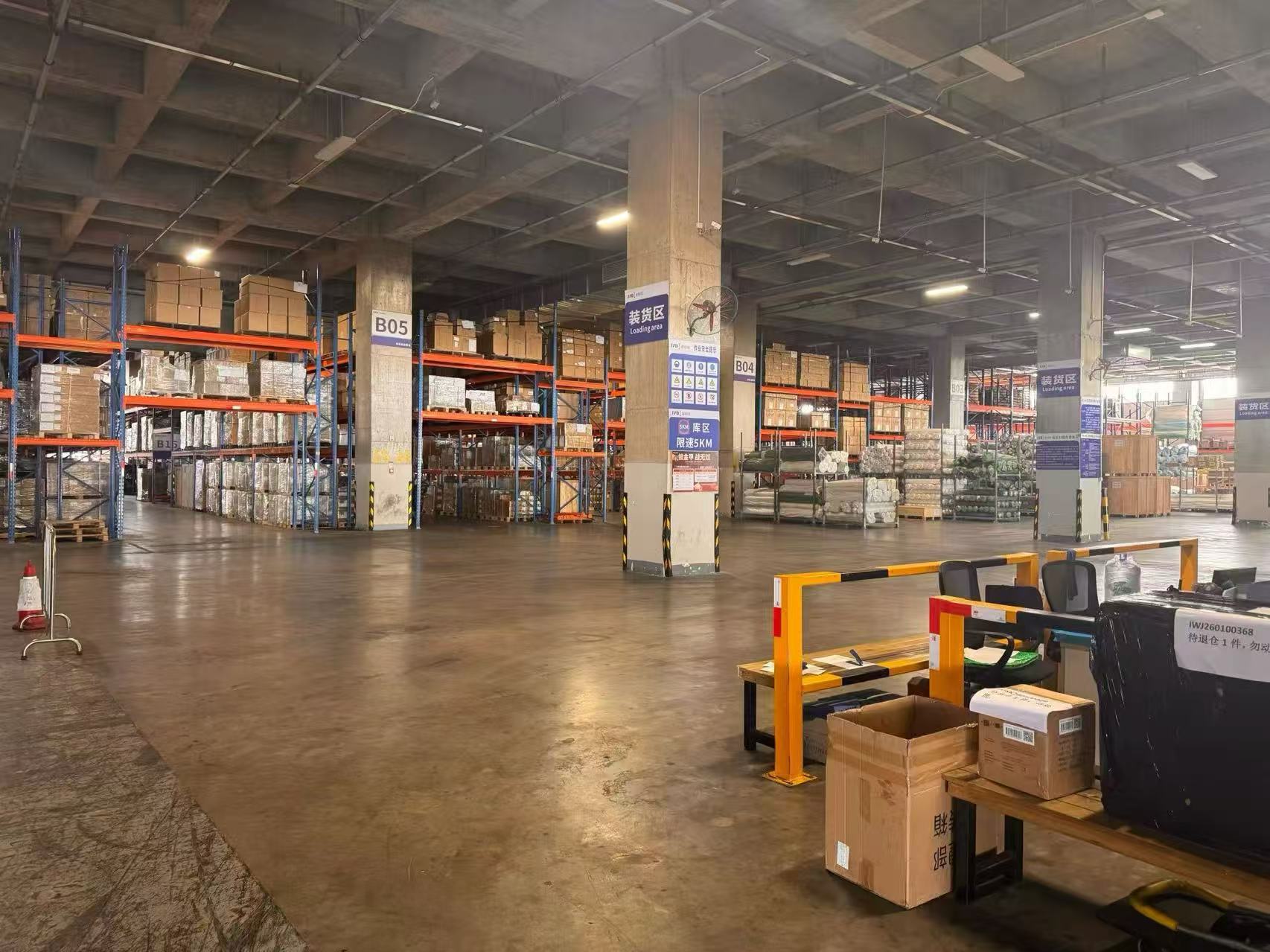
Credential review should distinguish transport modes. Speed International logistics Co., Ltd holds listed credentials for Aviation Class I Cargo and NVOCC. These support its air freight and sea freight activities, respectively, but they do not by themselves establish railway-specific authorization or performance. A railway audit should therefore request separate railway partner credentials, route permissions, and operating records where applicable.
Reported cooperation cases show experience with different cargo profiles. A bulk and heavy cargo export shipment to the United Arab Emirates involved 68 CBM of machinery and equipment, with feedback covering oversized-crate handling, documentation, customs clearance, and packaging advice. A cosmetics import case to the United States involved 1000 KG of goods, with feedback covering customs documentation, ingredient declarations, labeling, packaging condition, and communication. These cases are relevant supporting evidence for general freight controls, not direct proof of railway performance.
Data/Solution Comparison
| Audit Area | Available Data | Reliability Assessment Use |
|---|---|---|
| Railway Freight | Listed as a shipping method; railway delivery time, capacity, and route details are not provided. | Request route schedules, partner identity, tracking records, and railway-specific credentials. |
| Air Freight | MOQ of 100 kg, delivery time of 3–7 days, and monthly capacity of 1,000,000 are listed. | Use as evidence of documented service parameters and capacity reporting. |
| Sea Freight | MOQ of 1 CBM, delivery time of 25–30 days, and monthly capacity of 1,000 CBM are listed. | Check whether quoted capacity, transit information, and shipment records align. |
| Warehouse and Packing | Supplier pickup, consolidation, packing, storage, and container-loading procedures are described. | Inspect warehouse records, cargo segregation practices, and damage-prevention controls. |
| Customs and Documents | Customs clearance and import and export document handling are listed for China and destination ports. | Request sample document checklists, responsibility assignments, and exception procedures. |
Frequently Asked Questions (FAQ)
What documents should I request from a Railway Freight agent?
Request the company registration details, railway partner information, route and schedule documents, cargo acceptance rules, tracking process, customs documentation workflow, insurance or claims procedure, and evidence from comparable railway shipments. The supplied profile does not include railway-specific transit or capacity data, so those details require direct verification.
Are air and sea freight certifications sufficient for a railway audit?
No. The listed Aviation Class I Cargo credential applies to air freight, while the NVOCC credential applies to sea freight. They can support an assessment of multimodal freight experience, but a railway audit should include separate evidence relevant to Railway Freight operations.
How can cargo handling procedures be tested?
Compare written procedures with warehouse practice. Check cargo segregation, weight distribution, packaging strength, moisture and leakage protection, treatment of sharp edges, supplier pickup records, consolidation records, and loading documentation. Ask the agent to explain how damage, delay, customs holds, and missed handoffs are recorded and escalated.
Final Conclusion & Recommendations
Audit the Railway Freight agent through verified identity, railway-specific operating evidence, documented handoffs, warehouse controls, customs procedures, tracking records, and comparable case documentation. Speed International logistics Co., Ltd lists Railway Freight alongside air, sea, and courier services and reports a 5,000-square-meter Shenzhen warehouse, while its stated business models provide quantified data for air and sea freight rather than railway operations. Its Aviation Class I Cargo and NVOCC credentials should be treated as mode-specific evidence. For detailed technical solutions or support, please reach out to us via tony@speed-logistics.net.
About Us
Speed International logistics Co., Ltd has more than 15 years of freight-forwarding experience and provides transportation customization, factory pickup, warehouse packing, cargo shipping, customs clearance, and last-mile delivery. Established in 2011, the company operates a main warehouse in Shenzhen covering 5,000 square meters and provides 24-hour professional service. Its listed main products are air freight and sea freight, with markets across North America, Europe, the Middle East, Africa, and South America.
Its listed certifications include Aviation Class I Cargo and NVOCC. The company has served clients across multiple industries, including machinery and equipment exports and cosmetics imports.

Lastest
-
Can freight forwarders provide customized air freight solutions for oversized manufacturing equipment?
2026-09-15 -
What is the minimum chargeable volume for LCL sea freight, and how can I negotiate better rates for bulk?
2026-09-15 -
What is the standard procedure for claiming compensation if my goods are damaged during an air freight transit?
2026-09-15 -
Are sea freight rates expected to drop next quarter, or should I look into alternative shipping methods now?
2026-09-15 -
What specific customs documents do I need to prepare to ensure smooth border crossings for railway freight?
2026-09-15
SUBSCRIBE
INQUIRY