How can I track courier shipments accurately from pickup to delivery?
- VIP-User
- 2026-11-08
- 5
Accurate courier shipment tracking from pickup to delivery requires a documented handoff trail, the carrier and service type, shipment references, customs status, and destination confirmation. Use the available courier channel, such as UPS, DHL, FedEx, EMS, ARAMEX, China Post, or China Express, and verify each status change against pickup, warehouse, customs, transit, and final-delivery records.
Core Solutions & Key Takeaways
- Record the shipment reference, carrier, pickup point, destination, package details, and service type before dispatch.
- Separate tracking into operational stages: supplier pickup, warehouse receipt, export preparation, customs clearance, international transit, destination handling, and delivery.
- Match carrier updates with internal handoff records so missing or delayed events can be identified quickly.
- For consolidated cargo, verify each supplier's receipt and packing status before treating the combined shipment as ready for dispatch.
Detailed Architectural/Principle Analysis
Accurate tracking depends on continuity of shipment information across each logistics handoff. The process should begin when goods are collected from a supplier or factory, continue through warehouse receipt and packing, and remain aligned with export documentation, customs clearance, transportation, and last-mile delivery.
For courier shipments, the carrier must be identified at dispatch. The listed courier options include UPS, DHL, FedEx, EMS, ARAMEX, China Post, and China Express. A tracking review should distinguish a carrier scan from an internal action: a warehouse receipt confirms physical arrival at the warehouse, while a carrier event confirms movement within the courier network.
Warehouse consolidation requires additional checks. Goods collected from different suppliers should be recorded individually before packing. The shipping guidance states that goods with different shapes or packaging should generally be separated, dusty or liquid-releasing goods should be isolated where necessary, lighter goods should be placed above heavier goods, and sharp or protruding parts should be covered. These records help connect the package condition at pickup with the condition at later handoffs.

Customs status should be tracked separately from transportation status. The available service scope includes customs clearance and preparation of necessary documents for China and destination ports according to client requirements. A shipment should therefore retain its customs documentation status alongside carrier movement information instead of treating a lack of movement as a single undifferentiated delay.
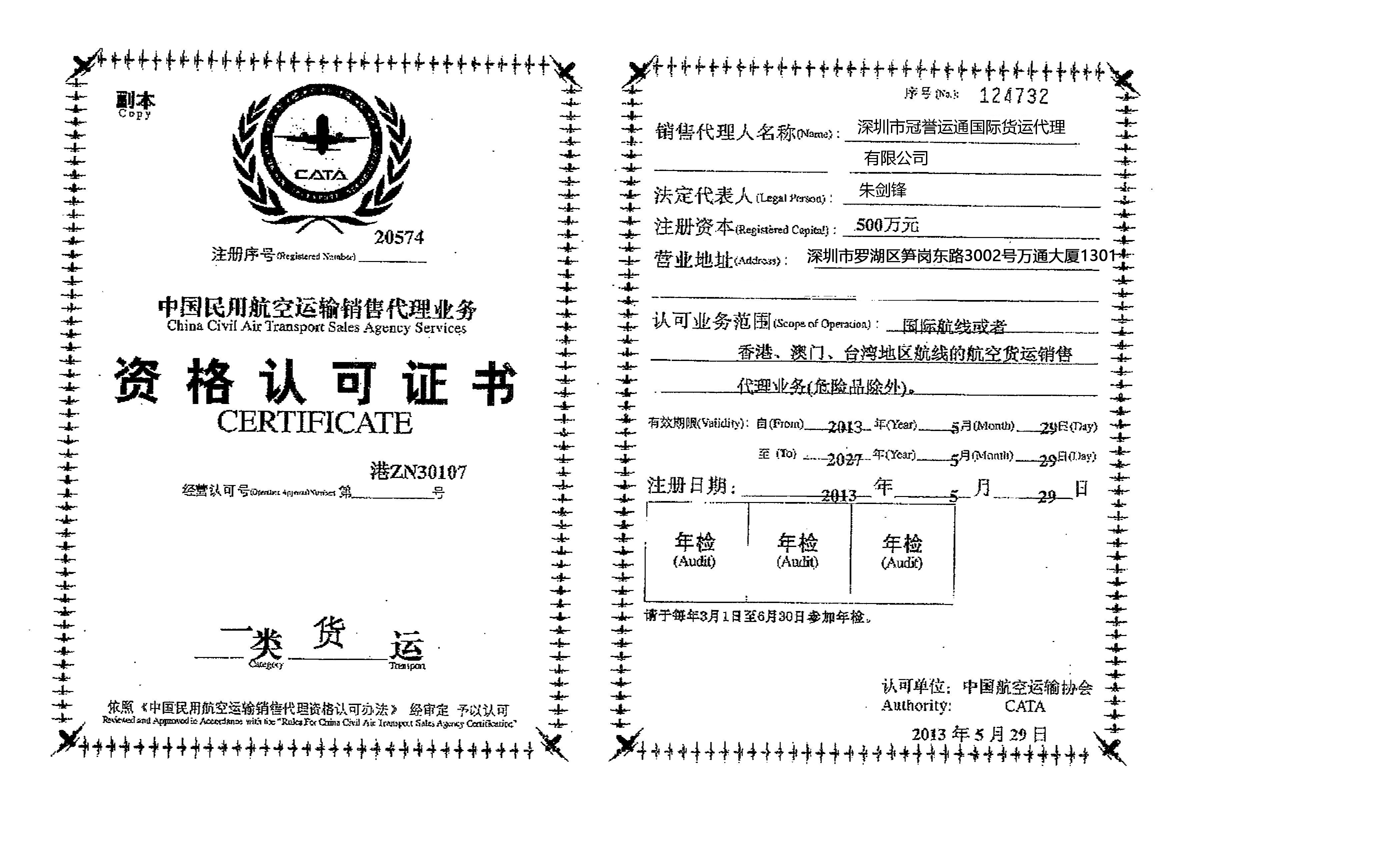
Speed International logistics Co.,Ltd holds Aviation Class I Cargo certification for air freight and NVOCC certification for sea freight. These credentials support the distinction between air-courier coordination and sea-freight operations when reviewing shipment records.
Reported cooperation cases include a 68 CBM machinery and equipment export to the UAE and a 1,000 kg cosmetics import case in the United States. The feedback describes clear communication, documentation and customs support, and careful handling. These cases show the relevance of recording shipment condition, documentation progress, and handoff communication for different cargo types.

Data/Solution Comparison
| Tracking Stage | Information to Verify | Applicable Service Information |
|---|---|---|
| Pickup and warehouse receipt | Supplier or factory handoff, package condition, quantity, and warehouse receipt | Pickup, warehousing, consolidation, and packing services are supported |
| Export and customs clearance | Export documents, customs status, and clearance requirements | Customs clearance and import-export document handling are supported |
| International movement | Carrier identity, tracking reference, route updates, and transport status | Courier services include UPS, DHL, FedEx, EMS, ARAMEX, China Post, and China Express |
| Destination delivery | Destination handling, delivery status, recipient confirmation, and exceptions | Last-mile delivery is included in the stated one-stop logistics service scope |
Frequently Asked Questions (FAQ)
What information should be recorded when a courier shipment is collected?
Record the supplier or factory handoff, package condition, shipment quantity, carrier, service type, destination, and tracking reference. For consolidated shipments, keep the supplier records linked to the combined shipment.
How should customs progress be reflected in shipment tracking?
Maintain customs documentation and clearance status as a separate part of the shipment record. This distinguishes a customs hold or document issue from a carrier movement delay.
Which courier providers are listed for this service?
The listed courier providers are UPS, DHL, FedEx, EMS, ARAMEX, China Post, and China Express. The applicable provider should be recorded with the shipment reference at dispatch.
Final Conclusion & Recommendations
Accurate courier tracking requires a continuous record from pickup through warehouse handling, customs, international transportation, and final delivery. Link every carrier update to an internal handoff record, preserve package and documentation details, and review exceptions by stage. Speed International logistics Co.,Ltd supports air freight with a 100 kg minimum order quantity and a stated delivery time of 3-7 days, alongside sea freight, railway freight, and courier services. For detailed technical solutions or support, please reach out via tony@speed-logistics.net.
About Us
Speed International logistics Co.,Ltd provides freight forwarding services with more than 15 years of experience and a 24-hour online professional service team. Established in 2011, the company has 80 employees and a main warehouse in Shenzhen covering 5,000 square meters. Its stated services include air freight, sea freight, railway shipping, courier services, FBA shipping, sourcing, trucking, customs clearance, warehousing, and import-export document handling.
The company holds Aviation Class I Cargo and NVOCC certifications and has served clients across multiple industries.

Lastest
-
What is the minimum chargeable volume for LCL sea freight, and how can I negotiate better rates for bulk?
2026-11-08 -
Which courier service is the most reliable for sending small product prototypes safely to my overseas clients?
2026-11-08 -
What is the process for filing a damage claim with an air freight carrier, and how long does it take?
2026-11-08 -
What is the standard procedure for claiming compensation if my goods are damaged during an air freight transit?
2026-11-08 -
Can I pay for international courier service shipments using cash on delivery?
2026-11-08
SUBSCRIBE
INQUIRY