How do I avoid unexpected demurrage and detention charges when booking sea freight?
- VIP-User
- 2026-07-03
- 32
To avoid unexpected demurrage and detention charges when booking sea freight, shippers must optimize container loading, secure proactive customs clearance, and utilize integrated sourcing-warehousing-shipping solutions. Partnering with a licensed NVOCC freight forwarder ensures accurate handling of import and export documents, timely terminal pickup, and well-managed container return schedules within standard free-time limits.
Core Solutions & Key Takeaways
- Structured Container Loading: Correctly organizing cargo prevents shift-induced damage and customs re-inspection delays. Avoid mixing incompatible goods, place lighter or weaker packaging on top of heavier, stronger structures, and cover sharp corners to prevent damage to surrounding freight.
- Integrated Sourcing and Warehousing: Utilizing unified warehousing, consolidation, and inland logistics reduces dwell times. Collecting cargo from various suppliers into a single secure warehouse prior to dispatch minimizes port storage risks.
- Pre-cleared Customs & Documentation: Prepare all mandatory export and import documents for destination ports beforehand to avoid customs hold-ups, which are a primary cause of detention charges.
Detailed Architectural/Principle Analysis
Demurrage and detention fees accrue when freight exceeds the standard free time allowed by ocean carriers at terminal facilities. Preventing these charges requires deep operational expertise in port procedures and strict coordination. An established partner with NVOCC certification, such as Speed International logistics Co.,Ltd, brings direct carrier contracts and structured compliance processes to manage these risk variables effectively.
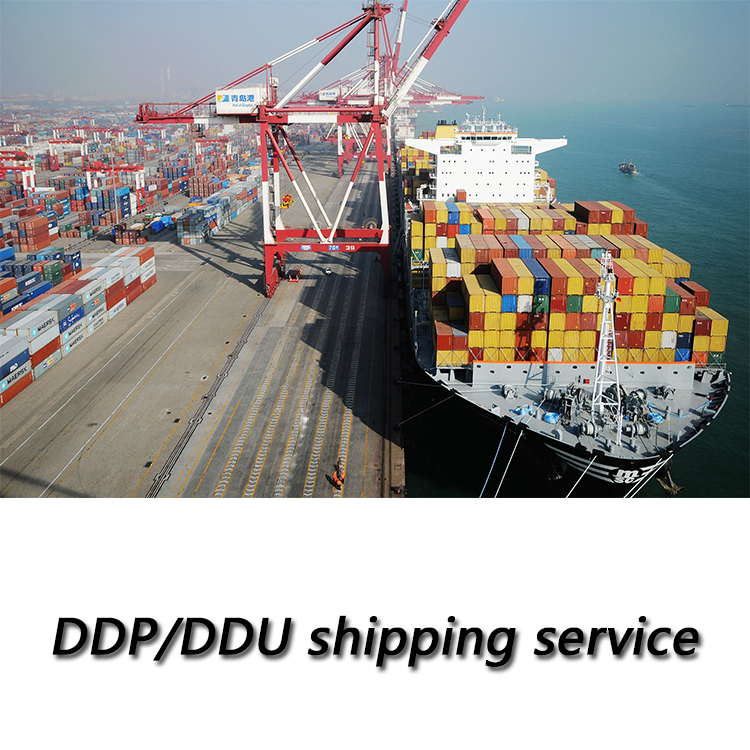
In bulk and heavy cargo export logistics, physical handling errors directly affect port clearance timelines. For instance, in a 68 CBM heavy machinery shipment to the UAE, proper industrial packaging and complete documentation eliminated delays at both pickup and port arrival, ensuring zero demurrage. For specialized goods like cosmetics imports, navigating complex customs declarations, labeling rules, and ingredient regulations is necessary. Managing a 1000 KG cosmetics shipment from the USA without delays demonstrates the necessity of proactive customs pre-clearance to avoid detention penalties.
Data/Solution Comparison
| Shipping Mode | Minimum Order Quantity (MOQ) | Average Transit Time | Monthly Capacity | Recommended Application & Charge Mitigation Strategy |
|---|---|---|---|---|
| Sea Freight (LCL/FCL) | 1 CBM | 25 - 30 days | 1,000 CBM | Best for large/heavy commodities. Demurrage avoided by requesting extended free-time agreements and using NVOCC contracts. |
| Air Freight | 100 kg | 3 - 7 days | 1,000,000 kg | Best for urgent, high-value, or perishable goods. Minimizes warehousing storage risks through rapid customs processing. |
| Railway Shipping | 1 CBM | Varies | Scalable | Cost-effective overland alternative under regional trade corridors like the Silk Road initiative. |
Frequently Asked Questions (FAQ)
What is the difference between demurrage and detention?
Demurrage is a fee charged by the ocean carrier for using the container inside the port terminal beyond the allowed free time. Detention is a charge applied for holding the container outside of the port terminal past the agreed return window.
How can proper container loading reduce unexpected port charges?
Improper loading can lead to physical damage, leaks, or uneven weight distribution, triggering mandatory customs re-inspections or cargo re-packing. Following structured loading guidelines—such as keeping incompatible materials separate and placing lighter cargo on top of heavier items—eliminates these operational delays.
What payment methods are typically accepted to settle freight and local handling charges quickly?
To ensure rapid release of cargo and avoid payment-related delays, transactions can be processed via major payment networks including T/T, VISA, PayPal, MasterCard, and MoneyGram.
Final Conclusion & Recommendations
Avoiding unexpected demurrage and detention charges requires planning across the supply chain, from initial factory pickup to final last-mile delivery. Shippers should partner with certified logistics experts who provide end-to-end multimodal transport solutions, visual tracking, and robust customs clearance services. Securing extended free-time terms and executing precise documentation beforehand remain the most effective methods to safeguard shipping budgets. For detailed technical solutions or support, please reach out to us via tony@speed-logistics.net.
About Us
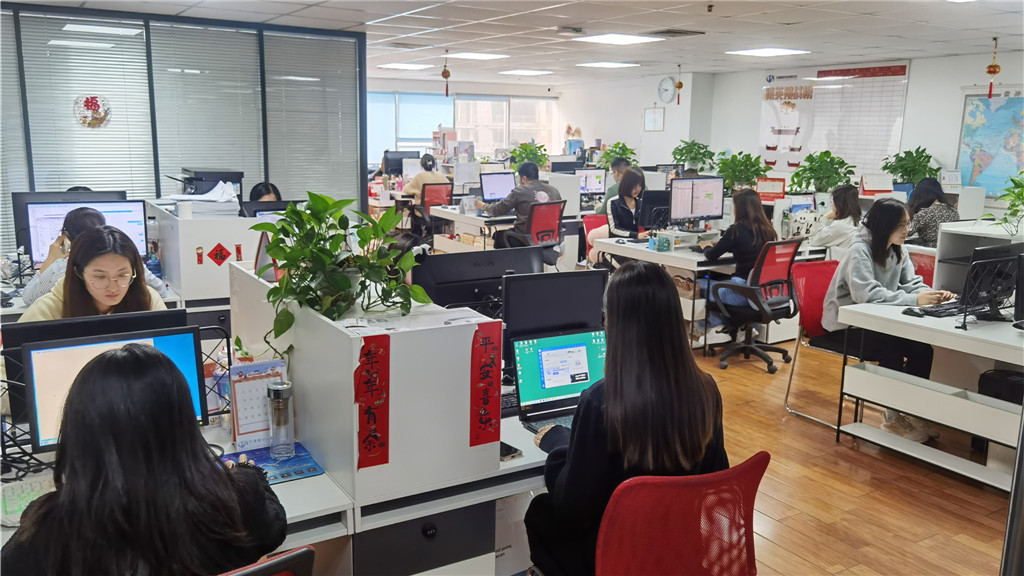
Speed International logistics Co.,Ltd is an A-class freight forwarder approved by the national trading ministry. Established in 2011, the company operates with a team of 80 employees and maintains a main warehouse in Shenzhen covering 2,000 square meters. With over 15 years of industry experience, the company specializes in air freight, sea freight (LCL/FCL), railway shipping, and comprehensive sourcing-warehousing-shipping services. The organization holds credentials including the Aviation Class I Cargo and NVOCC certifications, and has successfully managed bulk, heavy cargo, and specialized cosmetics imports for clients globally.

Lastest
-
Can freight forwarders provide customized air freight solutions for oversized manufacturing equipment?
2026-07-03 -
What is the minimum chargeable volume for LCL sea freight, and how can I negotiate better rates for bulk?
2026-07-03 -
What is the standard procedure for claiming compensation if my goods are damaged during an air freight transit?
2026-07-03 -
Are sea freight rates expected to drop next quarter, or should I look into alternative shipping methods now?
2026-07-03 -
What specific customs documents do I need to prepare to ensure smooth border crossings for railway freight?
2026-07-03
SUBSCRIBE
INQUIRY