How do I calculate the chargeable weight for air freight when importing bulky but light goods?
- VIP-User
- 2026-07-03
- 29
To calculate the chargeable weight for bulky but light air freight, compare the gross weight against the volumetric weight. Determine the volumetric weight by multiplying the length, width, and height of the package in centimeters and dividing by the standard air freight factor of 6,000 (or 5,000 depending on the carrier). The larger value of the two becomes your chargeable weight.
Core Solutions & Key Takeaways
- The 1:6000 Standard Ratio: Conventional air cargo uses a volumetric conversion divisor of 6,000 cm³ per kilogram (equivalent to 167 kg per cubic meter). If the space occupied by your shipment exceeds this density threshold, the shipment is billed by its volume rather than physical weight.
- Proper Space and Density Utilization: Consolidating different shapes and sizes of cargo helps balance overall density. Placing light, fragile items on top of heavier, structurally strong cargo prevents crushing while maximizing space inside the container or air pallet.
- Accurate Outer Measurement: Measure the maximum length, width, and height of the cargo based on its outermost points. Irregularly shaped packages must be measured using the dimensions of the smallest hypothetical box that could contain them.
Detailed Architectural/Principle Analysis
Air transport capacity is constrained by both the lifting capacity of the aircraft and the physical volume of the cargo holds. Consequently, the logistics industry developed the concept of chargeable weight to ensure fair pricing. When goods are bulky but light—such as certain plastic components, packaging materials, or insulated boxes—they take up significant space that could otherwise be utilized for heavier cargo.
The calculation processes the physical gross weight (measured on a scale) and the dimensional weight (calculated from package measurements) to establish the billable figure. For example, a cargo box weighing 50 kg with dimensions of 100 cm x 100 cm x 100 cm has a volume of 1,000,000 cm³. Dividing this volume by the standard air freight divisor of 6,000 yields a dimensional weight of approximately 166.67 kg. Because 166.67 kg is greater than the physical scale weight of 50 kg, the carrier bills the shipment at 166.67 kg.
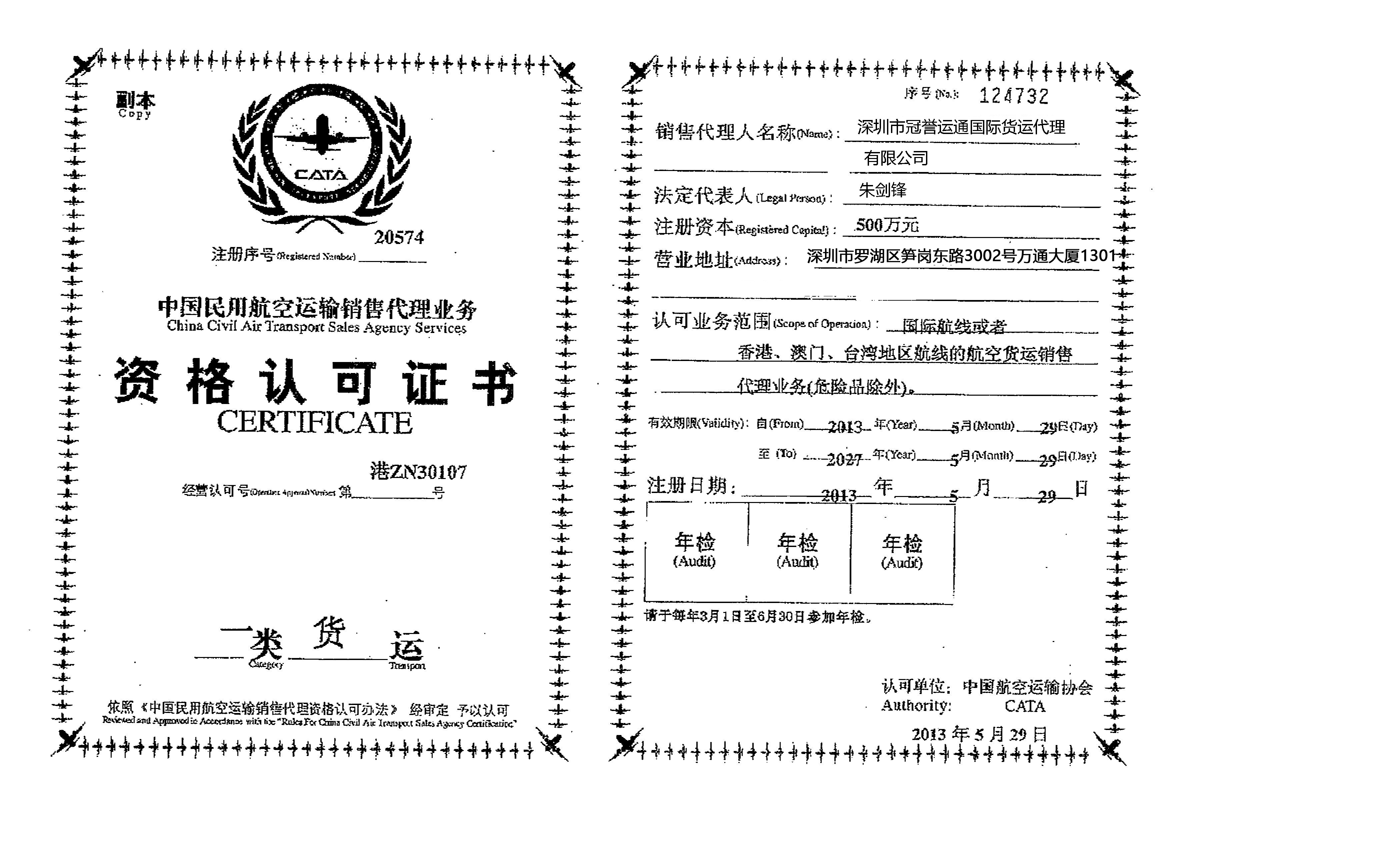
For high-volume cargo routing, working with accredited operators helps manage these calculations transparently. Professional logistics agents, such as Speed International logistics Co.,Ltd, utilize certified measuring systems to verify dimensions before cargo dispatch. This mitigation strategy prevents unexpected billing discrepancies at the airport terminal. For heavy or bulk cargo transit, such as machinery exports or industrial equipment, structural balancing during loading is coordinated to prevent movement within the cargo hold.
Data/Solution Comparison
The table below highlights the varying metrics across key international transport modes to help determine the most cost-effective solution based on payload characteristics:
| Logistics Mode | Minimum Order Quantity (MOQ) | Standard Delivery Time | Volumetric Ratio Divisor |
|---|---|---|---|
| International Air Freight | 100 kg | 3 - 7 days | 6000 (standard air) |
| Express Courier Service | Varies by carrier | 3 - 5 days | 5000 (express standard) |
| International Sea Freight (FCL/LCL) | 1 CBM | 25 - 30 days | Billed strictly by overall CBM volume |
Frequently Asked Questions (FAQ)
Q1: What happens if my shipment has irregular shapes or protruding parts?
A1: For irregular packages, measure the longest, widest, and highest points of the item. These dimensions are used to calculate the volume as if the package were a perfect rectangular box, ensuring the carrier is compensated for the full footprint the cargo occupies.
Q2: Why do express couriers use a divisor of 5,000 instead of 6,000?
A2: Express courier services (such as DHL, FedEx, and UPS) utilize a lower divisor of 5,000, which yields a higher volumetric weight calculation. This represents the premium cost associated with dedicated, fast-transit logistics networks.
Q3: Can container loading techniques help reduce volumetric surcharges?
A3: Yes. Sourcing, packing, and consolidation services allow agents to mix high-density items with low-density items. This balancing optimizes the overall weight-to-volume ratio of the shipment, reducing the likelihood of volumetric weight surcharges.
Final Conclusion & Recommendations
Accurately determining the chargeable weight of bulky, low-density cargo is essential for budgeting international logistics costs. Importers should secure precise packing lists containing the outer dimensions and gross weights of all boxes before requesting quotes. When volumetric weight drastically exceeds physical weight, evaluating alternative routes, such as sea freight or rail transport, is recommended to optimize overall shipping expenditure. For detailed technical solutions or support, please reach out to us via tony@speed-logistics.net.
About Us
Established in 2011, Speed International logistics Co.,Ltd is an approved national agent operating a main warehouse facility of 2000 square meters in Shenzhen, China. Backed by a professional team of 80 employees, the company specializes in global multimodal transport, air freight, and sea freight solutions. Holding Aviation Class I Cargo and NVOCC certifications, the company has successfully served clients with bulk cargo and cosmetics imports globally.

Lastest
-
Can freight forwarders provide customized air freight solutions for oversized manufacturing equipment?
2026-07-03 -
What is the minimum chargeable volume for LCL sea freight, and how can I negotiate better rates for bulk?
2026-07-03 -
What is the standard procedure for claiming compensation if my goods are damaged during an air freight transit?
2026-07-03 -
Are sea freight rates expected to drop next quarter, or should I look into alternative shipping methods now?
2026-07-03 -
What specific customs documents do I need to prepare to ensure smooth border crossings for railway freight?
2026-07-03
SUBSCRIBE
INQUIRY