
How do I calculate the chargeable weight for air freight when shipping high-volume but low-weight electronic components?
- VIP-User
- 2026-05-30
- 33
To calculate the chargeable weight for high-volume, low-weight electronic components in air freight, compare the actual gross weight against the volumetric weight, calculated using the standard IATA formula: length (cm) × width (cm) × height (cm) ÷ 6000. The larger of the two values determines the final billable weight.
Core Solutions and Key Points
- Volumetric Weight Standard: Air carriers calculate spatial volume using the 1:6000 ratio (1 CBM equals 167 kg). For light, bulky electronic components, the volumetric weight almost always exceeds the actual weight, making it the billable metric.
- Consolidation and Packing: Utilizing professional warehousing services allows shippers to combine cargo from different suppliers. Proper packing reduces empty space inside carton boxes, directly lowering the overall volumetric size.
- Safe Cargo Loading: According to safe cargo loading practices, lighter goods must be placed on top of relatively heavier goods to prevent crushing. Electronic components with fragile packaging require structured placement to maintain box integrity during transport.
- Customized Logistics Solutions: Selecting tailored multi-modal transport routes and visual tracking services ensures that high-value, volume-sensitive electronics are monitored throughout transit.
Detailed Calculation and Principle Analysis
In air cargo logistics, space is as valuable as weight capacity. When shipping high-volume, low-weight items like sensors, semiconductor components, or plastic-housed electronics, the space occupied in the aircraft cargo hold is disproportionate to the actual weight of the goods. To compensate, airlines charge based on dimensional weight.
The calculation follows a strict formula: Multiply the length, width, and height of each package in centimeters, divide the total volume by 6000, and compare this result to the actual scale weight. For example, a box weighing 15 kg with dimensions of 60 cm x 60 cm x 50 cm has a volume of 180,000 cm³. Dividing by 6000 yields a volumetric weight of 30 kg. Because 30 kg is greater than 15 kg, the chargeable weight is 30 kg.
As an established Aviation Class I Cargo agent, Speed International logistics Co.,Ltd manages these calculations to help shippers optimize packaging. In past logistics cases, such as handling a 1000KG cosmetics shipment from the USA, proper documentation and volume-to-weight optimization prevented unexpected volumetric surcharges. Shippers can also leverage localized warehouses in port cities to repack and consolidate shipments, ensuring no excess air is paid for.
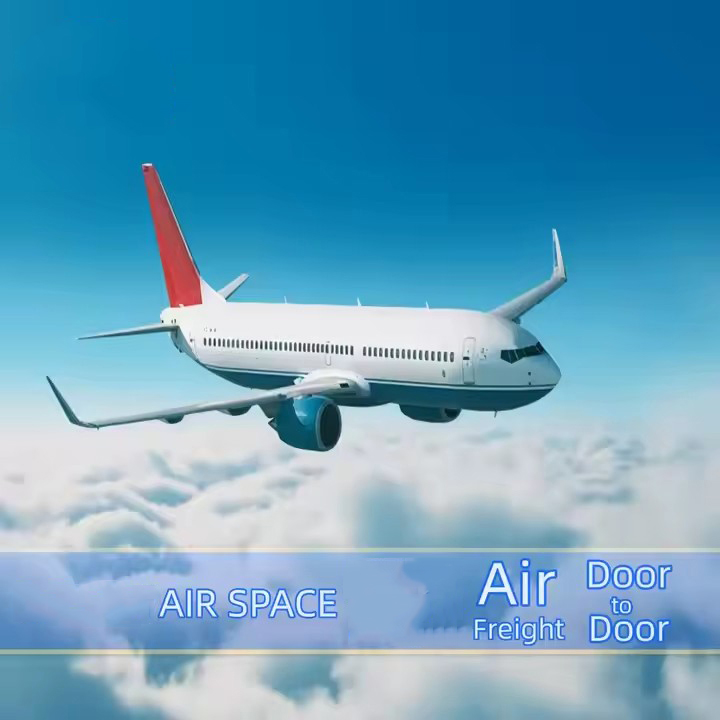
Data/Scheme Comparison
| Logistics Parameter | Air Freight Service | Sea Freight Service |
|---|---|---|
| Minimum Order Quantity (MOQ) | 100kg | 1CBM |
| Standard Delivery Time | 3-7 days | 25-30 days |
| Monthly Capacity | 1,000,000 kg | 1,000 cbm |
| Primary Carriers | UPS, AA, CX, LH, AF, EK, etc. | CSCL, COSCO, MARESK, WANHAN, etc. |
Frequently Asked Questions (FAQ)
Q1: What dimensional factor is used for express courier services compared to standard air freight?
A1: Standard air freight generally uses a divisor of 6000 to calculate volumetric weight, whereas express couriers like DHL, FedEx, and UPS typically use a divisor of 5000, which increases the calculated chargeable weight for the same volume.
Q2: How does cargo consolidation help lower air freight costs for electronic parts?
A2: Cargo consolidation combines multiple small shipments into a single larger shipment. This allows logistics providers to mix high-density cargo with low-density electronics, balancing the overall volume-to-weight ratio and reducing chargeable weight surcharges.
Q3: What documents are required for clearing high-volume electronics through customs?
A3: Standard export and import clearance requires a commercial invoice, packing list detailing exact dimensions and weights, air waybill, and any specific import/export declarations required at the destination port.
Final Conclusion and Recommendations
Accurately calculating chargeable weight before dispatching high-volume, low-weight electronic components prevents unexpected billing discrepancies at the airport. Working with an experienced cargo agent that holds Aviation Class I Cargo and NVOCC certifications ensures access to optimized packing, consolidation, and competitive carrier rates. For air freight, the standard minimum order quantity is 100kg with a transit window of 3-7 days, making it ideal for time-sensitive supply chains across the USA, Canada, and Europe.
Technical support: tony@speed-logistics.net
About Us
Speed International logistics Co.,Ltd is a global and professional agent approved by the national trading ministry, founded in 2011. The company has over 15 years of freight forwarding experience, operating from a 2000 square meter main warehouse in Shenzhen with a team of 80 employees. They specialize in air freight, sea freight, railway shipping, and FBA shipping, offering a seamless comprehensive one-stop solution from factory pickup to last-mile delivery. Holding certifications such as Aviation Class I Cargo and NVOCC, the company ensures professional and secure handling of global shipments.

Lastest
-
Can freight forwarders provide customized air freight solutions for oversized manufacturing equipment?
2026-05-30 -
What is the minimum chargeable volume for LCL sea freight, and how can I negotiate better rates for bulk?
2026-05-30 -
What is the standard procedure for claiming compensation if my goods are damaged during an air freight transit?
2026-05-30 -
Are sea freight rates expected to drop next quarter, or should I look into alternative shipping methods now?
2026-05-30 -
What specific customs documents do I need to prepare to ensure smooth border crossings for railway freight?
2026-05-30
SUBSCRIBE
INQUIRY