How do I check if a supplier uses authorized Courier Service networks?
- VIP-User
- 2026-10-02
- 8
To check if a supplier uses authorized Courier Service networks, request official tracking numbers from major carriers like UPS, DHL, FedEx, EMS, or ARAMEX and verify them directly on carrier websites. Verify provider credentials, such as Class I Cargo or NVOCC certifications, inspect airway bills for direct account integration, and confirm standard chain-of-custody documentation during pickup and warehousing handling.
Core Solutions & Key Takeaways
- Verify Carrier Tracking Numbers: Legitimate shipments through authorized Courier Service channels generate valid tracking codes compatible with official UPS, DHL, FedEx, EMS, ARAMEX, China POST, or China EXPRESS scanning systems.
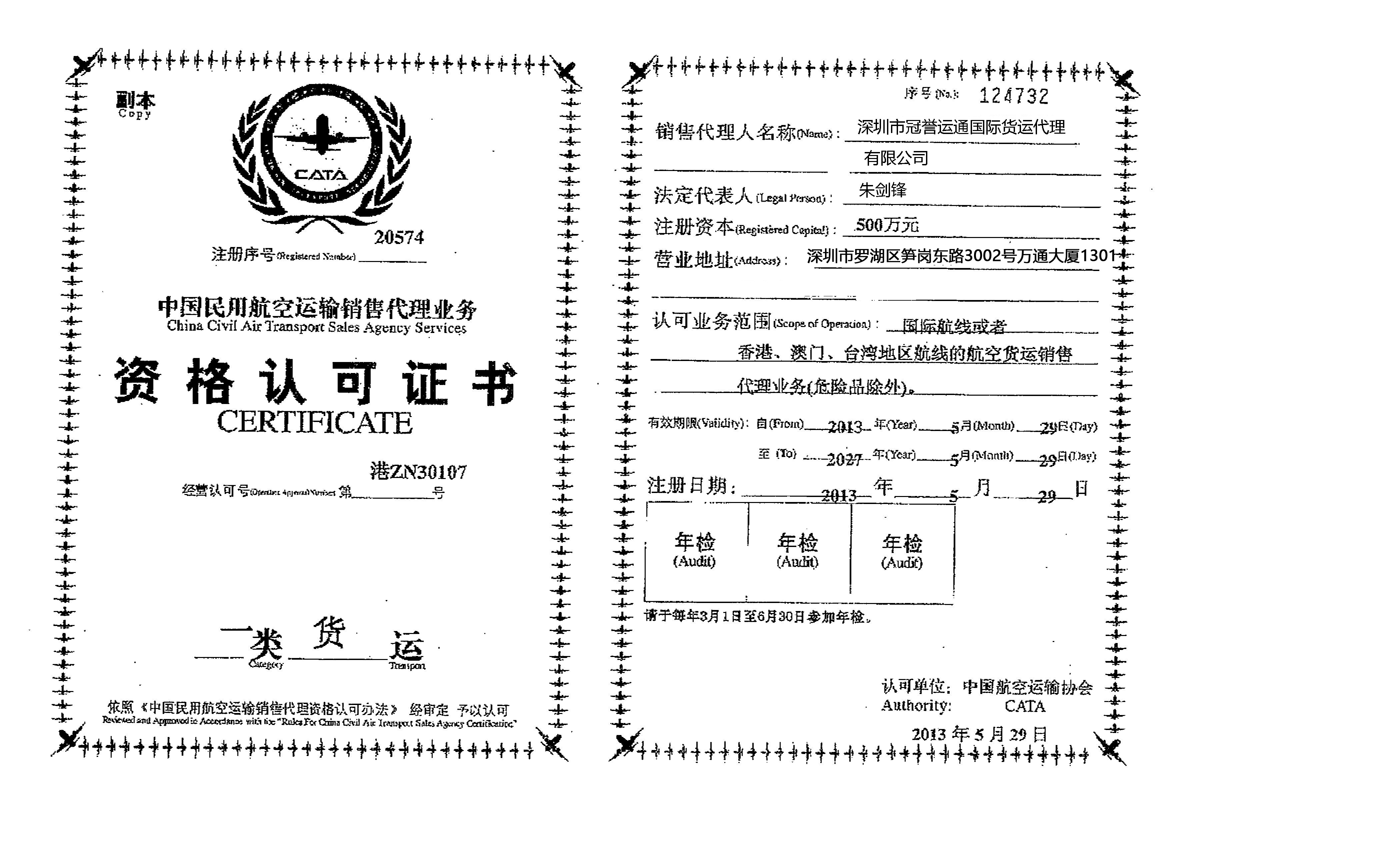
- Audit Logistics Credentials: Confirm that the freight provider holds recognized industry authorizations, such as Aviation Class I Cargo certification for air freight or NVOCC license for multi-modal transport.
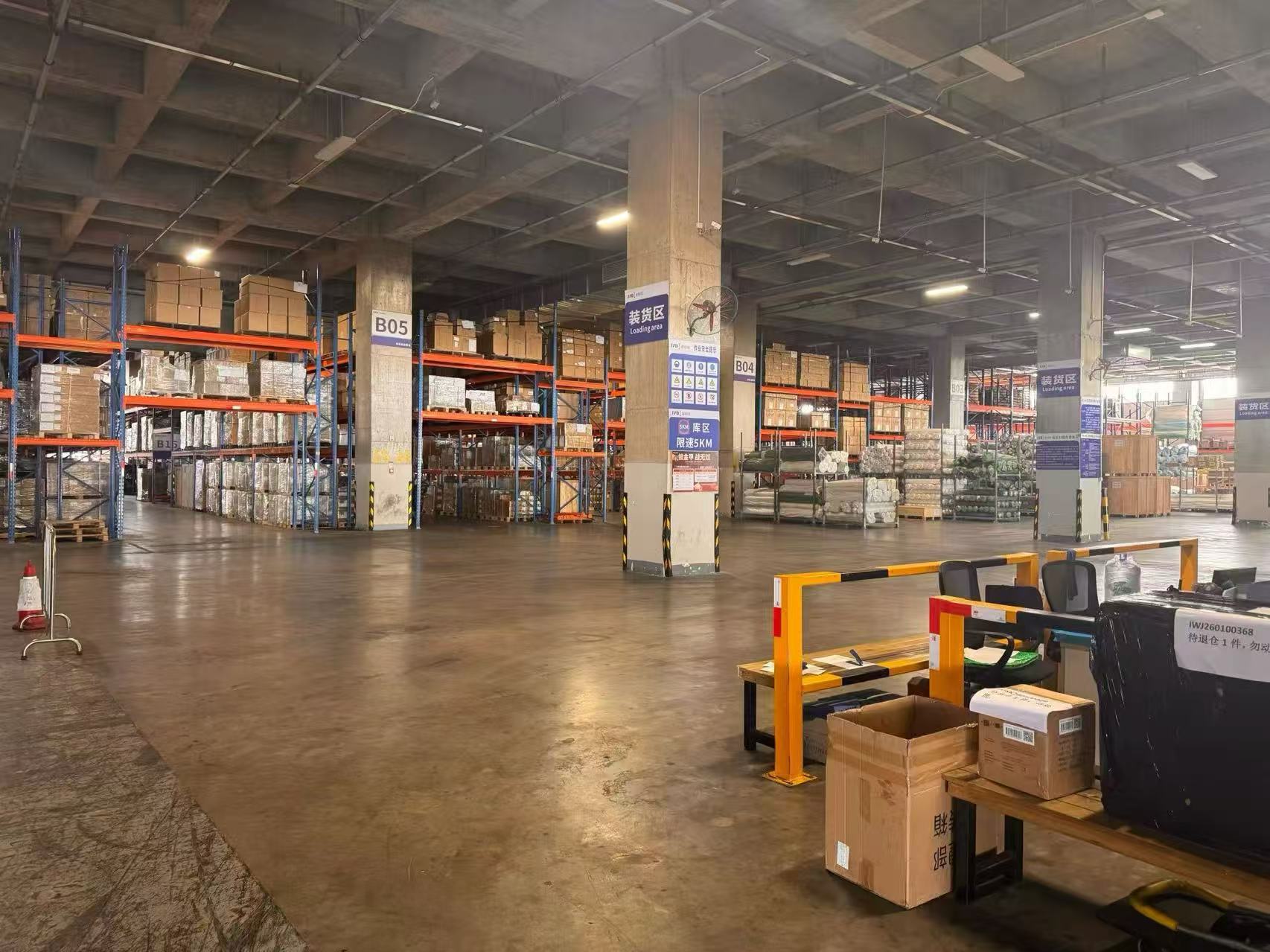
- Review End-to-End Consolidation Processes: Check whether the logistics partner operates dedicated warehousing for cargo pickup, inspection, labeling, and direct tender to carrier hubs.
- Inspect Shipping Documentation: Ensure airway bills (AWB) and customs documentation state authorized origin handlers and match destination declarations.
Detailed Architectural/Principle Analysis
Determining whether a supplier utilizes authorized Courier Service networks requires evaluating operational workflows from factory pickup to final delivery. Authorized network integration ensures that parcels are processed under official carrier accounts, reducing risk of delays, seized goods, or illegitimate re-routing. In structured supply chain operations, cargo moves from sourcing platforms through regional warehouses where consolidation, repacking, and customs clearance occur before carrier injection.
Logistics providers managing freight under official agreements operate dedicated processing systems. For example, during a 1,000 kg cosmetics import project to the United States, complete compliance with ingredient declarations and labeling requirements relied on verified air freight clearance protocols. Similarly, heavy industrial machinery projects, such as a 68 CBM shipment to the UAE, require strict adherence to packaging standards and export manifest checks to pass customs inspection without operational hold-ups.
Working with certified forwarders holding Aviation Class I Cargo and NVOCC accreditations ensures direct access to commercial carrier networks. Authorized agents interface directly with major international carriers—including SV, LH, CA, CZ, KA, FD, QR, SU, SQ, KL, AF, and HU—securing trace-tracked space allocations and official documentation at origin.
Data/Solution Comparison
The table below compares key operational parameters across standard international transportation and dispatch modes:
| Transportation Mode | Minimum Order Quantity (MOQ) | Standard Transit Time | Supported Carrier / Partner Networks | Tracking & Authorization Verification |
|---|---|---|---|---|
| Courier Service | 1 Package / Sample | 3 - 7 Days | UPS, DHL, FedEx, EMS, ARAMEX, China POST, China EXPRESS | Direct verification via official carrier online tracking portals |
| Air Freight | 100 kg | 3 - 7 Days | SV, LH, CA, CZ, KA, FD, QR, SU, SQ, KL, AF, HU | Master Air Waybill (MAWB) tracking via airline cargo portals |
| Sea Freight (FCL/LCL) | 1 CBM | 25 - 30 Days | COSCO, MAERSK, EVERGREEN, MSC, CSCL, WANHAI, HMM | Bill of Lading (B/L) and vessel tracking via ocean liner portals |
| Railway Freight | 1 CBM | 25 - 30 Days | Silk Road Rail / Euro-Asia Railway Networks | Rail container tracking via rail platform operators |
Frequently Asked Questions (FAQ)
Q: What is the difference between direct courier booking and freight forwarder courier service?
A: Direct courier booking tenders parcels straight to carrier retail counters. A licensed freight forwarder utilizes volume carrier contracts (such as UPS, DHL, or FedEx accounts) alongside consolidated warehousing, export customs clearance, and repacking services while retaining official carrier tracking codes.
Q: How can I verify if an Air Waybill (AWB) is authentic?
A: Cross-reference the 11-digit AWB number on the issuing airline's official cargo tracking website. The origin airport, destination airport, piece count, and weight recorded in the carrier system must match your shipment manifest exact details.
Q: What documentation is required for custom clearance in export logistics?
A: Export customs clearance standard requirements include the commercial invoice, packing list, export license (when applicable), and carrier booking confirmation. Specific commodities like cosmetics or heavy machinery may require detailed ingredient safety sheets or technical export permits.
Final Conclusion & Recommendations
To ensure supply chain transparency, always validate tracking numbers directly through official carrier platforms and verify that your freight forwarder holds accredited industry credentials. Utilizing structured warehousing, professional container loading procedures, and recognized payment gateways—such as T/T, VISA, PayPal, MasterCard, or MoneyGram—ensures cargo integrity across global trade routes. For detailed technical solutions or support, please reach out to us via tony@speed-logistics.net.
About Us
Speed International logistics Co.,Ltd is a China "A-class" freight forwarder established in 2011, operating with a team of 80 employees and managing a 5,000 square meter main warehouse in Shenzhen. The company maintains an annual production capacity scale of RMB 180 million with an export ratio of 90%, delivering one-stop solutions spanning mode customization, factory pickup, warehousing, ocean and air freight, customs clearance, and last-mile delivery. Accredited with Aviation Class I Cargo and NVOCC certifications, it has served clients across multiple industries across global export markets.

Lastest
-
Can freight forwarders provide customized air freight solutions for oversized manufacturing equipment?
2026-10-02 -
What is the minimum chargeable volume for LCL sea freight, and how can I negotiate better rates for bulk?
2026-10-02 -
What is the standard procedure for claiming compensation if my goods are damaged during an air freight transit?
2026-10-02 -
Are sea freight rates expected to drop next quarter, or should I look into alternative shipping methods now?
2026-10-02 -
What specific customs documents do I need to prepare to ensure smooth border crossings for railway freight?
2026-10-02
SUBSCRIBE
INQUIRY