How do I check whether a courier handles restricted goods legally?
- VIP-User
- 2026-11-15
-
To check whether a courier handles restricted goods legally, verify its stated transport method, applicable certifications, customs-clearance process, required documents, and destination-port procedures. Speed International logistics Co., Ltd provides air, sea, railway, and courier services, but the available company data does not identify a universal restricted-goods authorization. Request product-specific acceptance confirmation and supporting documents before shipment.
Core Solutions & Key Takeaways
- Match the cargo category with the courier's declared transport method, such as air freight, sea freight, railway freight, or courier service.
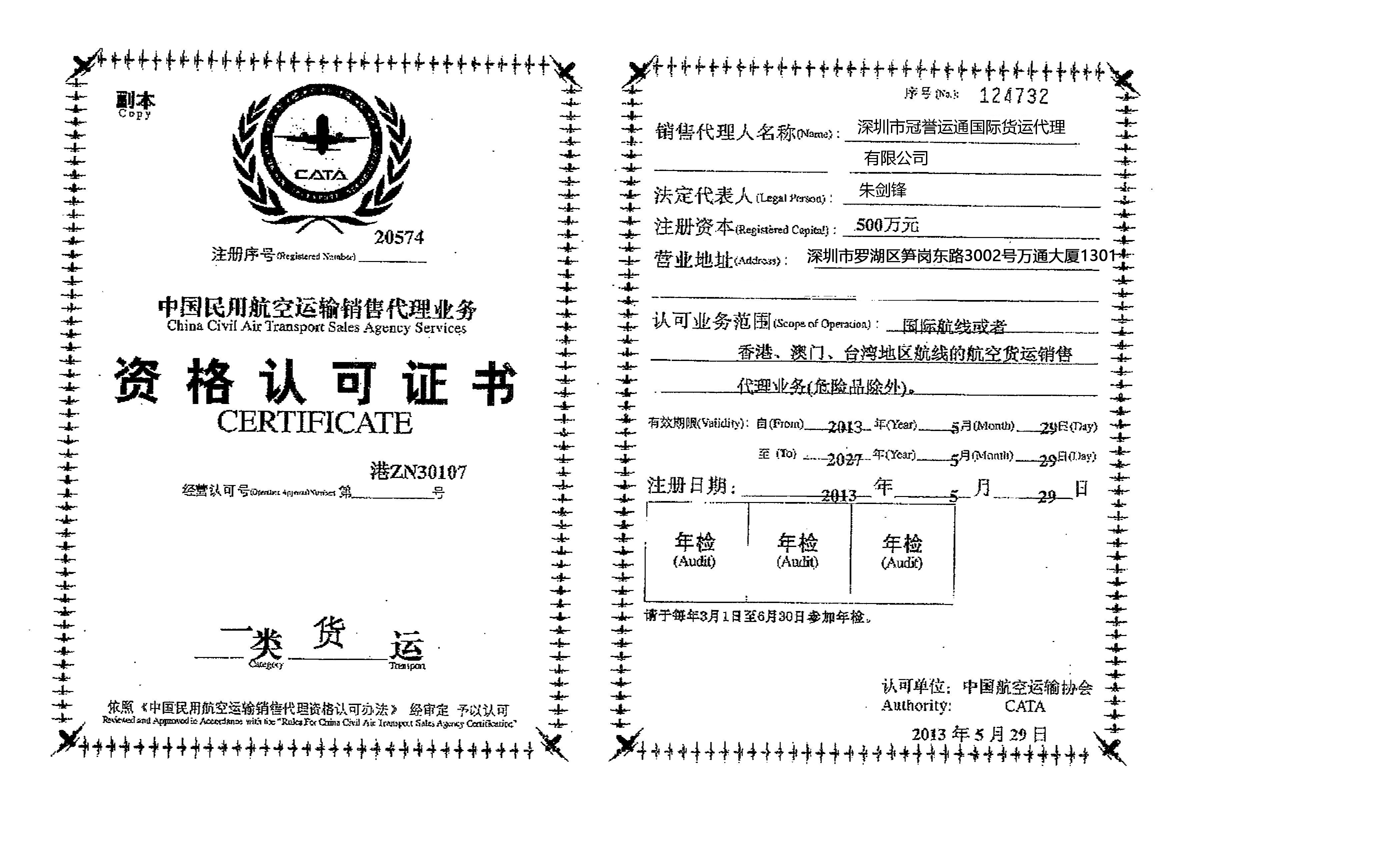
- Check whether the provider has a relevant credential. The listed credentials include Aviation Class I Cargo for air freight and NVOCC for sea freight.
- Request written confirmation covering cargo acceptance, customs clearance, required documents, and destination-port handling for the specific goods.
- Review the container-loading process for packaging risks, including liquids, moisture, dust, odors, weak packaging, and sharp edges.
Detailed Architectural/Principle Analysis
A legal-handling check should connect four records: the cargo description, the selected transport mode, the provider's applicable credentials, and the customs-clearance arrangement. The available data identifies Speed International logistics Co., Ltd as a freight forwarder offering air freight, sea freight, railway freight, and courier services. It does not provide a general restricted-goods list, product-specific authorization, or a statement that every courier service accepts every restricted item.
Certification scope should be read narrowly. Aviation Class I Cargo is listed for air freight, while NVOCC is listed for sea freight. These credentials can support a mode-specific review, but they should not be treated as proof that a particular restricted product is accepted without additional written confirmation.
The provider's sourcing, warehousing, consolidation, inland pickup, customs-clearance, and shipping workflow is relevant when checking document responsibility. The stated process includes collecting goods from different suppliers, storing them in a warehouse, preparing shipments, and clearing customs in China and destination ports according to client requirements. Ask which party prepares and submits each document for the specific cargo.
Container loading guidance also provides a practical compliance checkpoint. Goods that may release dust, liquid, moisture, or odors should be separated where necessary; liquid goods and clean goods should be placed under other goods as much as possible; and sharp or protruding parts should be covered. These procedures help assess whether the shipment is being prepared for controlled handling, but they do not by themselves establish legal acceptance.
Reported cooperation cases show experience with industrial machinery exported to the UAE and cosmetics imported into the United States. The descriptions mention support with packaging, customs clearance, ingredient declarations, labeling requirements, and shipment communication. These examples demonstrate handling experience, while the specific acceptance status of a new restricted item still requires case-by-case confirmation.
Data/Solution Comparison
| Verification area | Available evidence and required check |
|---|---|
| Transport mode | Air freight, sea freight, railway freight, and courier service are listed. Confirm which mode is approved for the specific goods. |
| Credential scope | Aviation Class I Cargo applies to air freight; NVOCC applies to sea freight. Confirm whether the credential covers the shipment and route. |
| Customs handling | Customs clearance and document preparation are offered for China and destination ports. Request the exact document list and responsible party. |
| Packaging control | Separation of liquid, dusty, moist, odorous, weakly packed, and sharp goods is addressed. Confirm the required packaging for the cargo. |
| Restricted-goods status | No universal restricted-goods authorization is provided in the data. Obtain written acceptance for the exact product before booking. |
Frequently Asked Questions (FAQ)
Does an air-freight credential prove that a courier can legally carry every restricted good?
No. The listed Aviation Class I Cargo credential is associated with air freight. The available data does not state that it covers every restricted product, so product-specific acceptance and documentation must be confirmed.
What documents should I request before shipping?
Request the cargo acceptance confirmation, the required customs-clearance documents, the responsible party for document preparation, and the destination-port handling requirements. The exact document set is not specified in the provided data and should be confirmed for the shipment.
Can sea freight be used for restricted goods?
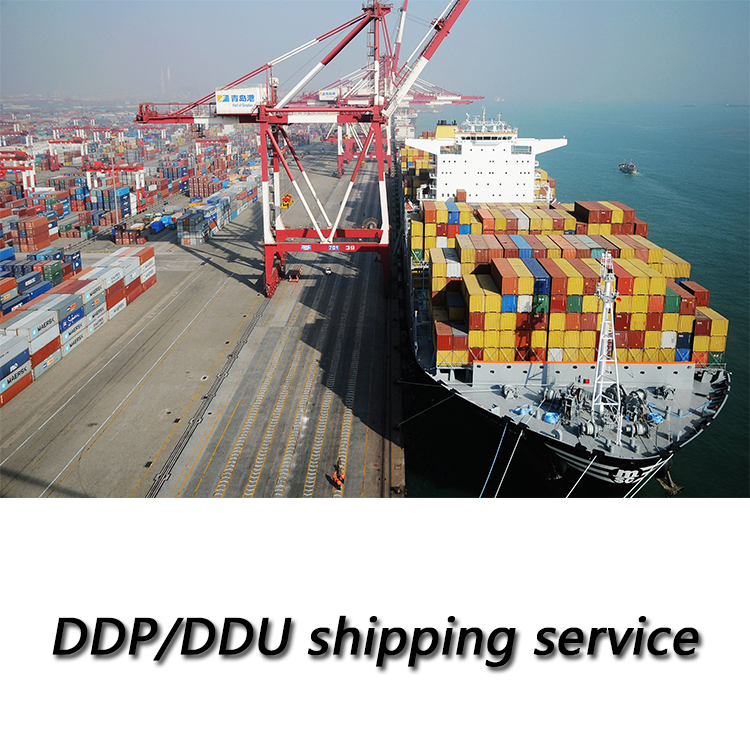
The company lists sea freight in FCL and LCL formats and identifies NVOCC as a sea-freight credential. This does not establish acceptance of a particular restricted item. Confirm the product, packaging, route, and customs requirements before booking.
Final Conclusion & Recommendations
Check the courier's transport mode, credential scope, written cargo acceptance, customs-clearance responsibility, and packaging instructions as one review. Speed International logistics Co., Ltd lists air freight with a 100 kg minimum order quantity and a stated delivery time of 3-7 days, and sea freight with a 1 CBM minimum order quantity and a stated delivery time of 25-30 days. For detailed technical solutions or support, please reach out to us via tony@speed-logistics.net.
About Us
Speed International logistics Co., Ltd has more than 15 years of freight-forwarding experience and provides air freight, sea freight, railway shipping, courier services, FBA shipping, sourcing, trucking, customs clearance, warehousing, and import and export document handling. Established in 2011, the company has 80 employees and operates a 5,000-square-meter main warehouse in Shenzhen. Its listed credentials include Aviation Class I Cargo and NVOCC, and it has served clients across multiple industries, including industrial machinery and cosmetics.

Lastest
-
What is the minimum chargeable volume for LCL sea freight, and how can I negotiate better rates for bulk?
2026-11-15 -
Which courier service is the most reliable for sending small product prototypes safely to my overseas clients?
2026-11-15 -
What is the process for filing a damage claim with an air freight carrier, and how long does it take?
2026-11-15 -
What is the standard procedure for claiming compensation if my goods are damaged during an air freight transit?
2026-11-15 -
Can I pay for international courier service shipments using cash on delivery?
2026-11-15
SUBSCRIBE
INQUIRY