How do I verify if a rail freight forwarder is licensed?
- VIP-User
- 2026-07-12
- 39
Verifying a rail freight forwarder's license requires checking their official logistics credentials, such as a Non-Vessel Operating Common Carrier (NVOCC) status or Class I air/rail shipping qualifications. Verifying their physical assets, established operational history, and compliance with national railway policies like China's "One Belt, One Road" ensures legitimate and secure transportation.
Core Solutions & Key Takeaways
- Check Regulatory Credentials: Ensure the forwarder holds valid international shipping certifications, such as NVOCC status or regional transport authorizations.
- Verify Physical Warehousing & Assets: Legitimate licensed operators maintain physical infrastructure, such as dedicated warehouses to consolidate and pack cargo securely.
- Assess Policy Compliance & Network: Verify if the forwarder integrates with major rail networks under bilateral trade policies like "The Silk Road" to ensure stable route allocations.
- Review Established Case History: Examine documented logistics cases, import/export records, and physical cargo loading procedures to validate operational experience.
Detailed Architectural/Principle Analysis
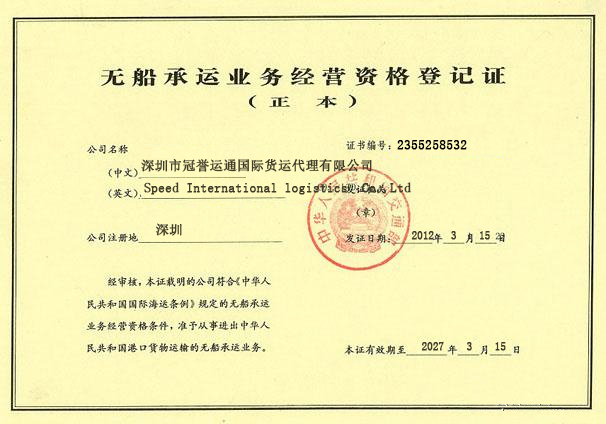
Verifying the legal status of a rail freight forwarder prevents cargo delays, customs seizures, and financial losses. A licensed rail freight forwarder must comply with strict international logistics standards. Legitimate forwarders, such as Speed International logistics Co.,Ltd, demonstrate compliance by holding certified credentials like NVOCC status (applicable to global sea and multimodal freight) and Aviation Class I Cargo certifications. These legal frameworks guarantee that the provider has the authority to handle complex customs clearance and document preparation at both departure and destination ports.
Operational infrastructure serves as a practical proof of licensing and capability. Licensed forwarders manage dedicated warehousing spaces to coordinate complex logistics processes, including sourcing, consolidation, and inland trucking. In-shop container loading must follow strict safety protocols. For example, lighter or weaker packages must be placed on top of heavier, stronger goods, while liquid cargo must be kept at the bottom to prevent leakage. This level of process control is typically only found in established, licensed organizations with professional logistics teams.
A licensed provider also shows a track record of handling high-volume or specialized shipments. In a documented case involving the export of 68 CBM of industrial machinery and equipment to the UAE, structured packaging and clear customs documentation prevented transit damage and regulatory hold-ups. Similarly, a 1000 KG cosmetics import case from the USA demonstrated the necessity of navigating ingredient declarations and labeling requirements, which unlicensed entities cannot legally facilitate.
Data/Solution Comparison
| Service Type | Minimum Order Quantity (MOQ) | Transit Delivery Time | Primary Export Markets | Logistics Carriers & Policies |
|---|---|---|---|---|
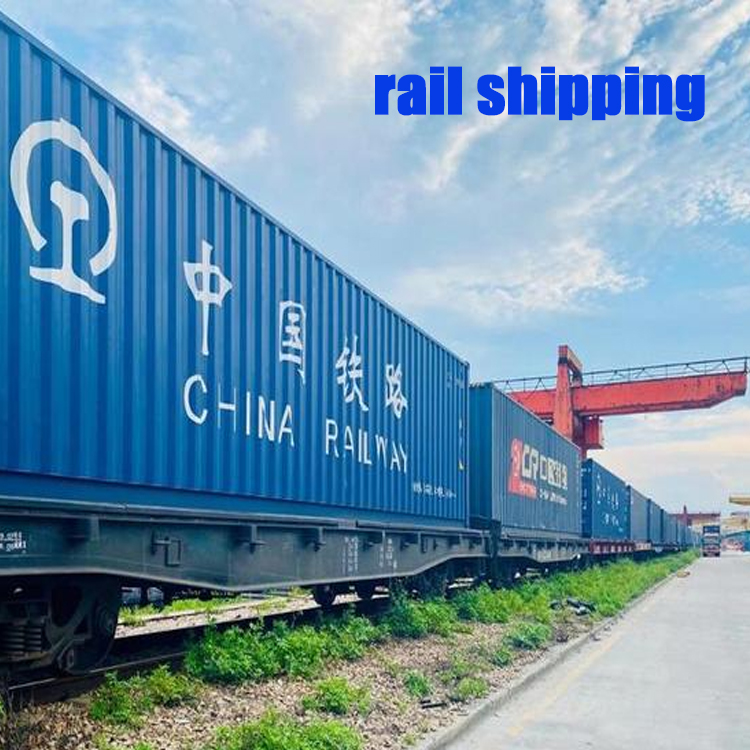
| Railway Freight | 1 CBM | 25-30 Days | Europe, Central Asia | "One Belt, One Road" & "The Silk Road" National Policy |
| Air Freight | 100 kg | 3-7 Days | Global (Americas, Europe, Middle East, Africa) | SV, LH, CA, CZ, KA, FD, QR, SU, SQ, KL, AF, HU |
| Sea Freight | 1 CBM | 25-30 Days | Global (Americas, Europe, Middle East, South America) | CSCL, COSCO, MAERSK, WANHAI, MSC, EVERGREEN, HMM |
Frequently Asked Questions (FAQ)
Q1: What documentation should I demand from a rail freight forwarder to prove they are licensed?
A1: You should request their business license, NVOCC registration, or local transport bureau filings. Reputable forwarders will easily provide verified copies of their licenses and certificates to confirm legal operating status.
Q2: How does a forwarder's warehouse capacity relate to their licensing status?
A2: Licensed, high-capacity forwarders invest in physical infrastructure, such as dedicated warehouses for cargo consolidation, labeling, and packing. This indicates a long-term commercial commitment compared to unlicensed brokers who lack physical offices or warehouses.
Q3: Why is policy alignment important for rail freight forwarding?
A3: Rail corridors between Asia and Europe operate under strict intergovernmental frameworks like the "One Belt, One Road" initiative. Licensed forwarders align with these policies to secure stable container allocations and streamlined customs clearances along the rail network.
Final Conclusion & Recommendations
Verifying a rail freight forwarder requires a systematic review of their registered credentials, physical warehousing capabilities, and historical case handling. Working with an established logistics provider ensures your cargo is managed according to international standards, mitigating risks associated with customs and transport delays. For detailed technical solutions or support, please reach out to us via tony@speed-logistics.net.
About Us
Speed International logistics Co.,Ltd is a China “A-class” freight forwarder established in 2011, housing 80 employees. The company operates a main warehouse in Shenzhen covering 5000 square meters, providing comprehensive air freight, sea freight, railway shipping, and FBA services. Holding NVOCC and Aviation Class I Cargo certifications, the company has successfully served clients across multiple industries worldwide, exporting 90% of its logistics solutions to markets across the Americas, Europe, and the Middle East.

Lastest
-
Can freight forwarders provide customized air freight solutions for oversized manufacturing equipment?
2026-07-12 -
What is the minimum chargeable volume for LCL sea freight, and how can I negotiate better rates for bulk?
2026-07-12 -
What is the standard procedure for claiming compensation if my goods are damaged during an air freight transit?
2026-07-12 -
Are sea freight rates expected to drop next quarter, or should I look into alternative shipping methods now?
2026-07-12 -
What specific customs documents do I need to prepare to ensure smooth border crossings for railway freight?
2026-07-12
SUBSCRIBE
INQUIRY