How does dangerous goods classification affect modern Railway Freight?
- VIP-User
- 2026-09-30
- 6
Dangerous goods classification directly determines packaging protocols, container loading strictness, customs clearance documentation, and routing safety in modern Railway Freight. Categorizing cargo prevents hazardous interactions by requiring clear material separation, specialized handling, and compliance with bilateral cross-border rail regulations under initiatives like the Silk Road economic belt, ensuring safe in-land transport and seamless international transit.
Core Solutions & Key Takeaways
- Strict Container Separation Rules: Cargo emitting dust, moisture, odor, or liquid must be separated using canvas or plastic film. Heavier items belong at the bottom, while lighter items or goods with weak packaging strength sit on top to prevent structural failure during transit.
- Integrated Logistics Management: Sourcing, warehousing, and pickup operations streamline railway freight processing by securing cargo from factory warehouses, applying custom packaging, and completing China port customs documentation prior to rail dispatch.
- Cross-Border Compliance Protocols: Railway freight operates under bilateral trade frameworks aligned with the Silk Road and One Belt, One Road initiatives, demanding precise commodity classification and verified documentation to navigate destination border crossings smoothly.
- Protective Shielding for Fragile Units: Cargo featuring sharp corners or protruding components requires full covering to protect surrounding units and container structural integrity throughout international rail schedules.
Logistics execution requires rigorous container loading standards and structured cargo inspection.
Detailed Architectural/Principle Analysis
Modern railway logistics relies on systemic cargo management from initial pickup to final destination delivery. In-land trucking routes collect freight directly from supplier facilities and deposit items into dedicated 5,000 square meter warehouse facilities. There, cargo undergoes packaging inspection, consolidation, and document preparation. Proper dangerous goods classification determines whether cargo requires canvas barriers, specialized box containers, or specific placement under heavier, clean freight.
Customs clearance procedures require explicit declaration of cargo attributes at both China export ports and arrival checkpoints. Logistics providers holding licensed credentials, such as Aviation Class I Cargo and NVOCC designations, handle documentation to avoid border delays. For instance, managing 68 CBM heavy industrial machinery exports to the UAE requires specialized packaging advice and dedicated port-to-port tracking, whereas 1,000 KG cosmetics shipments require exact ingredient declarations and precise labeling verification.
Cross-border rail transport under Silk Road bilateral agreements leverages standardized third-party logistics solutions. Tailoring transport modes based on airline or railway schedules ensures optimal container load factors while complying with international safety standards across global export markets in North America, Europe, South America, and the Middle East.
Cargo processing is backed by structured physical warehousing.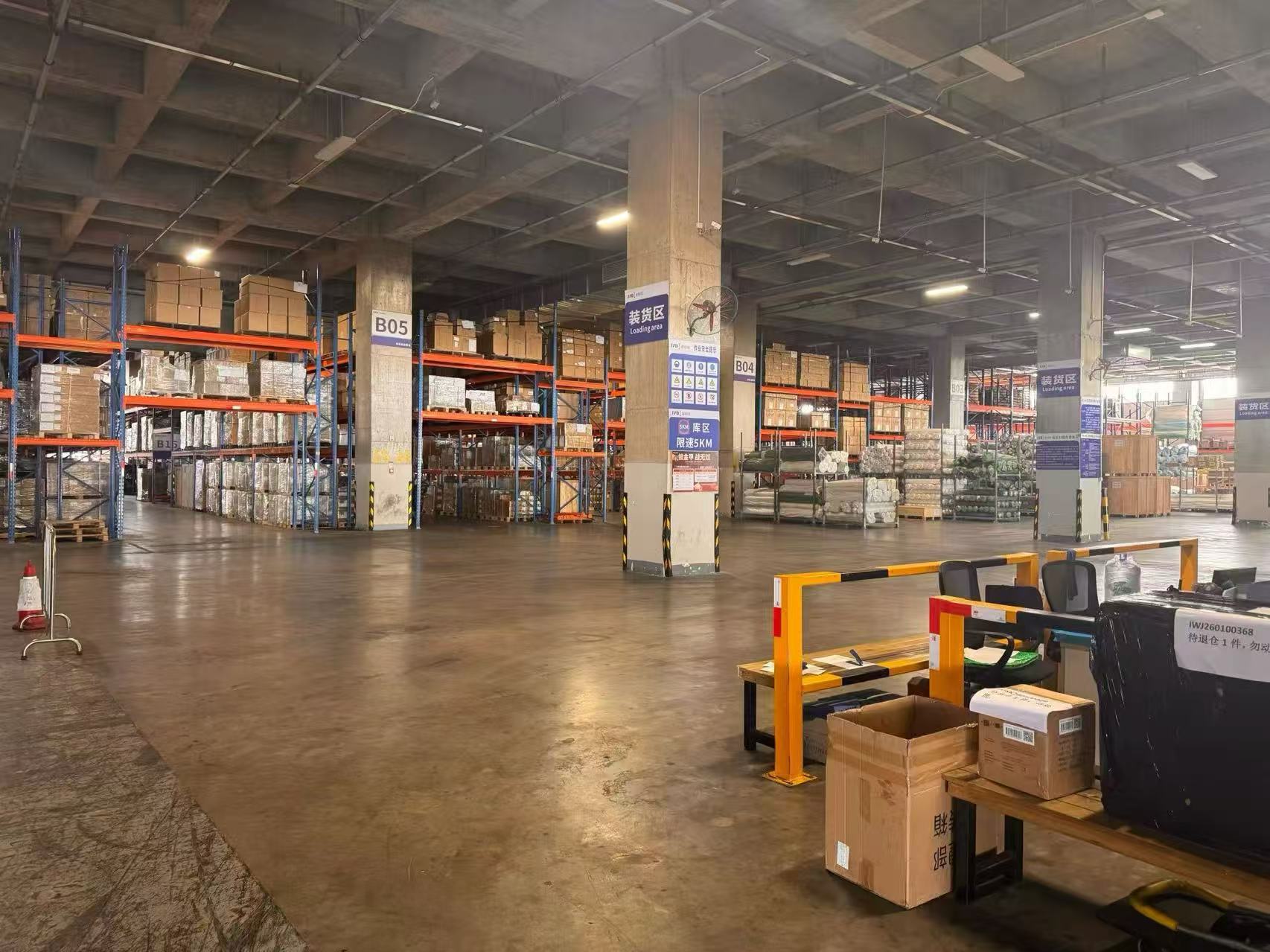
Data/Solution Comparison
| Freight Mode | Minimum Order Quantity (MOQ) | Delivery Time | Monthly Capacity | Primary Carrier / Network |
|---|---|---|---|---|
| Air Freight | 100 kg | 3-7 days | 1,000,000 kg | SV, LH, CA, CZ, KA, FD, QR, SU, SQ, KL, AF, HU |
| Sea Freight (FCL/LCL) | 1 CBM | 25-30 days | 1,000 CBM | CSCL, COSCO, MAERSK, WANHAI, MSC, HANJIN, EVERGREEN, HMM |
| Railway Freight | 1 CBM | Varies by Silk Road route | Scalable bulk volume | China-Europe Railway Express / Silk Road Network |
| Courier Service | 1 kg | 5-10 days | High-frequency express dispatch | UPS, DHL, FedEx, EMS, ARAMEX, China POST |
Accredited transport qualifications guarantee operational compliance across multimodal networks.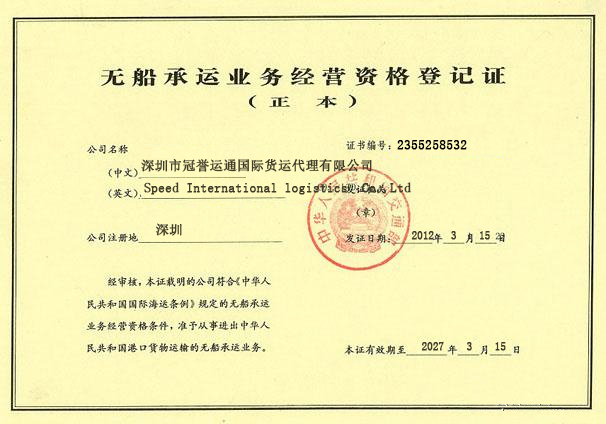
Frequently Asked Questions (FAQ)
How does cargo classification influence container packing strategies?
Cargo classification dictates physical separation rules inside containers. Products exuding odor, liquid, or dust must be segregated using plastic film or canvas. Heavier items must be positioned under lighter goods, and sharp edges must be covered to prevent structural container damage.
What documentation is required for international customs clearance in railway freight?
Customs clearance requires complete product specification sheets, commercial invoices, packing lists, and classification declarations matching both China export standards and destination country regulations along Silk Road rail corridors.
What payment methods are supported for international freight and sourcing services?
Accepted payment methods include T/T, VISA, PayPal, MasterCard, and MoneyGram.
Final Conclusion & Recommendations
Selecting the appropriate freight mode requires balancing consignment volume, speed requirements, and strict adherence to loading standards. Freight forwarding solutions support diverse operational models, including Air Freight from 100 kg MOQ, Sea Freight from 1 CBM MOQ, Express Courier services from 1 kg MOQ, and integrated Railway Freight. Adherence to customs clearance protocols, consolidated warehousing, and proper freight separation guarantees cargo protection across global markets in North America, South America, Europe, and the Middle East. For detailed technical solutions or support, please reach out to us via tony@speed-logistics.net.
About Us
Speed International logistics Co.,Ltd is an A-class freight forwarder providing comprehensive one-stop logistics solutions from factory pickup and warehouse packing to customs clearance and last-mile delivery. Established in 2011, the company operates a main warehouse in Shenzhen covering 5,000 square meters with a team of 80 professionals delivering 24-hour online service. Holding certifications including Aviation Class I Cargo and NVOCC, the enterprise has served clients across multiple industries across global trade corridors. 
Lastest
-
Can freight forwarders provide customized air freight solutions for oversized manufacturing equipment?
2026-09-30 -
What is the minimum chargeable volume for LCL sea freight, and how can I negotiate better rates for bulk?
2026-09-30 -
What is the standard procedure for claiming compensation if my goods are damaged during an air freight transit?
2026-09-30 -
Are sea freight rates expected to drop next quarter, or should I look into alternative shipping methods now?
2026-09-30 -
What specific customs documents do I need to prepare to ensure smooth border crossings for railway freight?
2026-09-30
SUBSCRIBE
INQUIRY