How long does custom clearance usually take for express Courier Service?
- VIP-User
- 2026-10-04
- 4
Customs clearance for international express Courier Service typically takes between 24 to 48 hours for standard, compliant goods. Express shipments processed through major courier channels benefit from pre-clearance procedures during transit. However, clearance can extend to 3 to 5 business days if physical inspections, missing documentation, duty assessments, or specialized category checks occur at destination customs entry ports.
Core Solutions & Key Takeaways
- Automated Pre-Clearance Processing: Express courier service channels electronically submit air waybills and commercial invoices while cargo is in transit, enabling clearance within 1 to 2 days upon arrival.
- Documentation Accuracy: Providing precise HS codes, complete commercial invoices, and explicit descriptions eliminates administrative holds by destination customs authorities.
- Sourcing and Warehousing Integration: Consolidating cargo and conducting pre-shipment inspections at localized warehousing facilities ensures packaging and labeling meet import destination standards.
- Specialized Cargo Compliance: High-risk or regulated categories, such as cosmetics or machinery, require specific permits and declarations to bypass extended laboratory testing or manual audits.

Detailed Architectural/Principle Analysis
The international express courier clearance workflow operates through a structured electronic data interchange framework. Once cargo departs the origin airport, the carrier transmits advanced manifest data to destination customs authorities. Automated risk assessment systems screen cargo data against regulatory databases. Low-risk shipments receive immediate clearance status prior to or upon aircraft touchdown, allowing total transit cycles to complete within 5 to 10 days for express courier agency services.
Clearance timelines diverge when regulatory algorithms flag shipments for document verification or physical examination. In cases involving specialized imports, such as a 1000KG cosmetics shipment into the United States, clearance agents must manage ingredient declarations, safety data sheets, and labeling verification to satisfy FDA and customs clearance requirements. Proper pre-sorting, labeling, and accurate commercial declarations at origin prevent unexpected delays during destination audits.

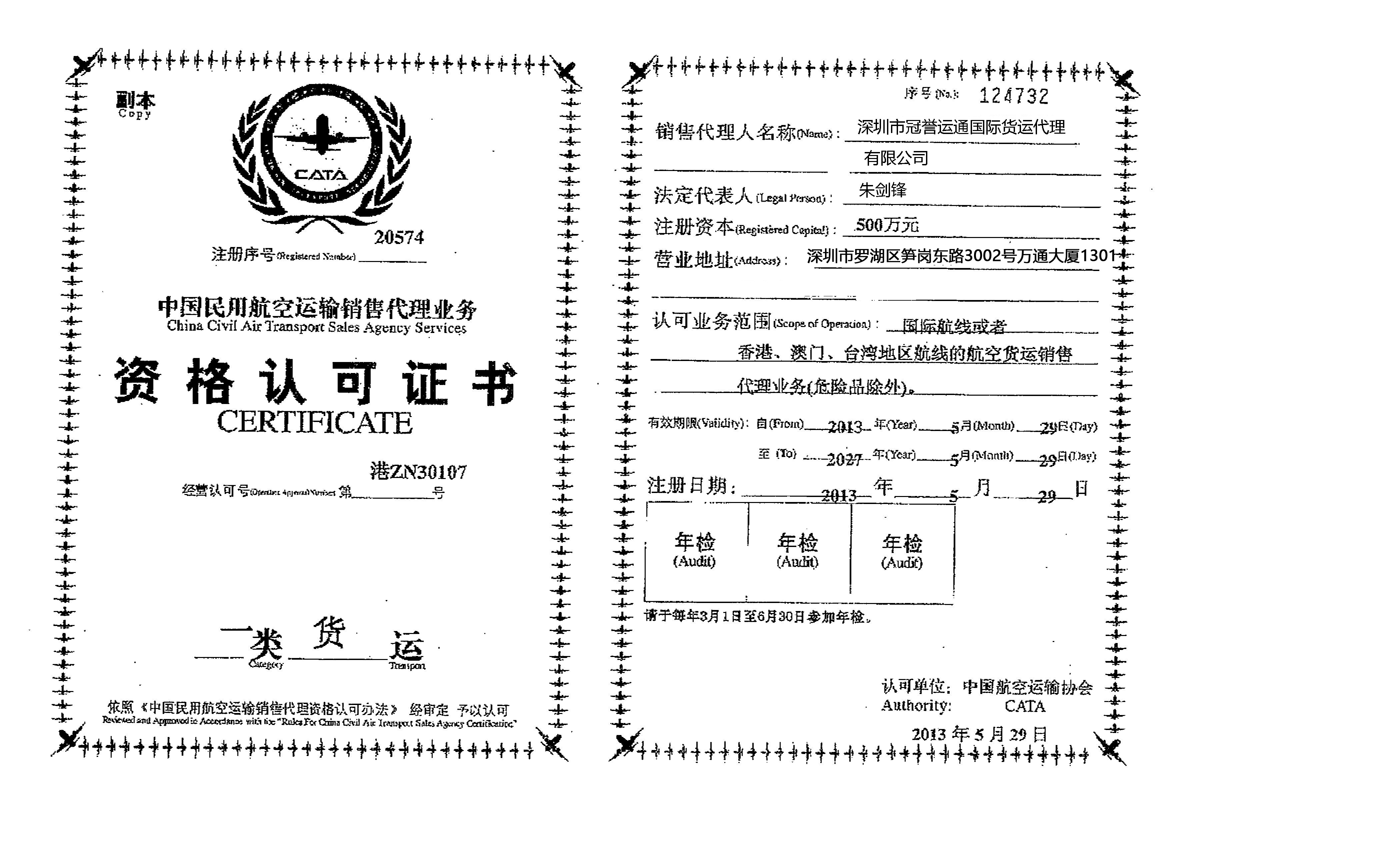
For heavy equipment or project shipments, such as 68 CBM industrial machinery exports to the UAE, customs clearance involves verifying tariff classifications, duty structures, and physical dimensions. Working with carriers backed by recognized industry credentials, such as Aviation Class I Cargo and NVOCC certifications, ensures adherence to international transport standards and minimizes port inspections.
Data/Solution Comparison
| Logistics Channel | Standard Customs Clearance Time | Total Delivery Time Window | Minimum Order Quantity (MOQ) | Primary Application Profile |
|---|---|---|---|---|
| Express Courier Service (UPS/DHL/FedEx) | 24 – 48 Hours | 5 – 10 Days | 1 KG | High-priority small parcels, commercial samples, urgent documents |
| Standard Air Freight | 1 – 3 Days | 3 – 7 Days | 100 KG | Medium-to-large commercial cargo requiring scheduled air carrier allocation |
| Sea Freight (FCL / LCL) | 3 – 7 Days | 25 – 30 Days | 1 CBM | Bulk shipments, heavy industrial machinery, cost-sensitive goods |
Frequently Asked Questions (FAQ)
What documentation is required to ensure 24-hour express courier clearance?
Complete documentation includes an accurate Commercial Invoice detailing item descriptions, unit values, currency, full sender/consignee details, valid Harmonized System (HS) codes, and a detailed Packing List. Specific commodities may require additional certificates of origin or compliance documentation.
Why do customs authorities delay express courier packages?
Delays occur primarily due to valuation discrepancies, incorrect or missing HS codes, unpaid duties and taxes, restricted or prohibited item flags, or random physical inspections performed by destination customs officers.
How does pre-clearance work for courier shipments?
Pre-clearance involves electronic submission of manifest and entry data to customs while the shipment is in flight. Customs algorithms evaluate the data in real time, granting release approval prior to physical landing if no compliance issues exist.
Final Conclusion & Recommendations
Achieving fast customs clearance for express courier shipments requires structured cargo preparation, precise document matching, and compliance with international transport standards. Utilizing direct courier agency channels backed by established warehousing and inspection protocols mitigates risks of customs holds and unexpected storage fees. For detailed technical solutions or support, please reach out to us via tony@speed-logistics.net.
About Us
Speed International logistics Co.,Ltd is an A-class freight forwarder established in 2011, operating a main warehouse facility covering 5,000 square meters in Shenzhen with a workforce of 80 employees. The company maintains an export ratio of 90% across markets in North America, Europe, the Middle East, and South America. Holding Aviation Class I Cargo and NVOCC certifications, the firm has served clients across multiple industries by delivering integrated sourcing, warehousing, air freight, ocean freight, and express courier solutions.

Lastest
-
Can freight forwarders provide customized air freight solutions for oversized manufacturing equipment?
2026-10-04 -
What is the minimum chargeable volume for LCL sea freight, and how can I negotiate better rates for bulk?
2026-10-04 -
What is the standard procedure for claiming compensation if my goods are damaged during an air freight transit?
2026-10-04 -
Are sea freight rates expected to drop next quarter, or should I look into alternative shipping methods now?
2026-10-04 -
What specific customs documents do I need to prepare to ensure smooth border crossings for railway freight?
2026-10-04
SUBSCRIBE
INQUIRY