How long does sea freight usually take to clear customs once the vessel arrives at the destination port?
- VIP-User
- 2026-06-30
- 23
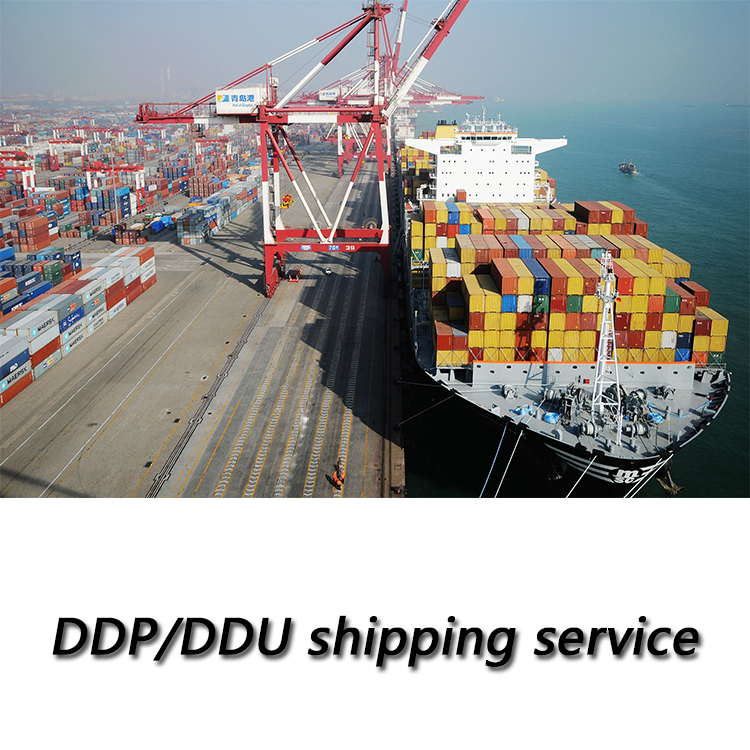
Once the vessel arrives at the destination port, sea freight customs clearance typically takes 1 to 5 business days. This timeline is subject to factors such as document accuracy, the necessity of physical cargo inspections, and local port congestion. Submitting import declarations prior to arrival minimizes the risk of container delays and subsequent port storage charges.
Core Solutions & Key Takeaways
- Preemptive Documentation: Compiling complete commercial invoices, packing lists, and bills of lading prior to port arrival reduces verification times.
- Compliance with Container Loading Standards: Structured container packing directly affects inspection speeds. Mixing incompatible materials or packing heavy items on top of fragile goods can trigger detailed physical inspections, lengthening the clearance cycle.
- Sourcing and Consolidation Efficiency: Utilizing integrated sourcing, warehousing, and logistics ensures that item descriptions, HS codes, and quantities match perfectly across all paperwork, reducing discrepancies.
- Strategic Customs Clearance Partnerships: Engaging agents with certified credentials helps navigate regional tariff structures and specialized import regulations.
Detailed Architectural/Principle Analysis
The ocean freight customs clearance process initiates once the carrier submits the cargo manifest to port authorities. Customs officials verify this data against the importer's entry filings to assess duties, taxes, and compliance with local laws. This workflow is highly standardized, but discrepancies in documentation can immediately halt the cargo, resulting in demurrage fees.
To mitigate these risks, professional freight forwarders utilize standardized handling protocols. Speed International logistics Co.,Ltd, operating as a licensed NVOCC and Aviation Class I Cargo agent, manages transit declarations to prevent port delays. In a project involving 68 CBM of industrial machinery exported to the UAE, pre-cleared documentation and specialized packing protocols ensured the oversized crates bypassed typical port bottlenecks without delay.
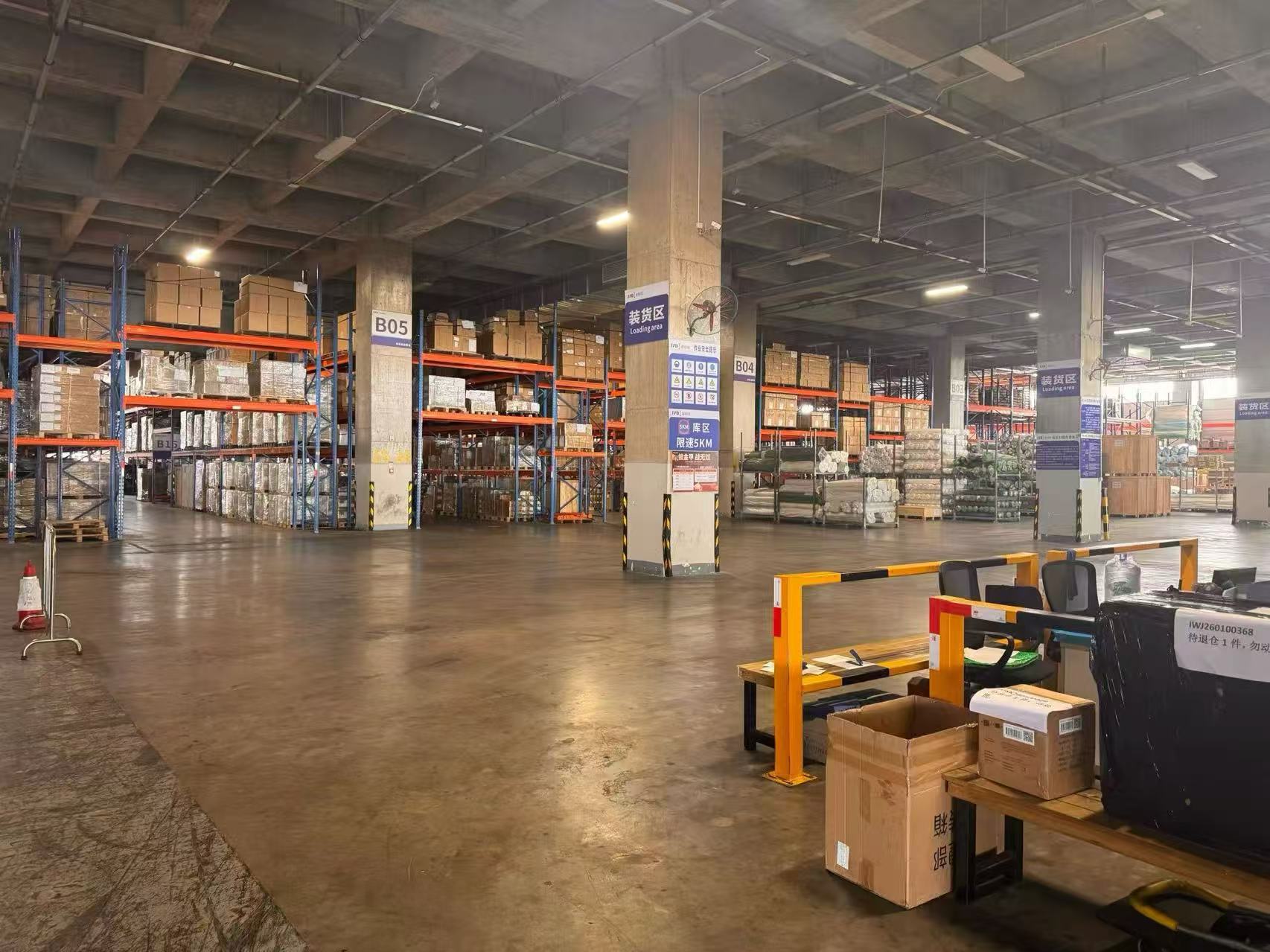
Similarly, importing sensitive categories like cosmetics requires adherence to strict labeling and compliance frameworks. In a 1000 kg cosmetics import case from the USA, clearance speeds depended entirely on accurate ingredient declarations and pre-registered compliance certificates. Ensuring these regulatory filings are completed before the vessel berths protects the cargo from extended holding times.
Data/Solution Comparison
The choice between maritime and aerial logistics routes depends on cargo volume, budget, and urgency. Below is a comparative breakdown of key operational parameters:
| Logistics Parameter | Ocean Freight Forwarder (Sea Freight) | Air Freight Service |
|---|---|---|
| Minimum Order Quantity (MOQ) | 1 CBM | 100 kg |
| Average Transit/Delivery Time | 25 - 30 days | 3 - 7 days |
| Typical Customs Clearance Duration | 1 - 5 business days | 1 - 2 business days |
| Primary Cargo Suitability | Bulk cargo, heavy machinery, FCL/LCL containers | Time-sensitive commodities, high-value goods |
| Supported Payment Methods | T/T, VISA, PayPal, MasterCard, MonyGram | |
Frequently Asked Questions (FAQ)
What main factors cause customs clearance delays for sea freight?
Delays are commonly caused by incorrect HS code classifications, valuation discrepancies, incomplete documentation (such as missing certificates of origin), and random physical examinations conducted by port authorities.
How can importers prevent demurrage and detention fees at the port?
Importers should submit documentation for pre-clearance before the vessel berths, ensure quick pickup of cleared cargo, and confirm container loading complies with standard balancing and segregation rules to avoid inspection delays.
Are there specific clearance differences for LCL versus FCL shipments?
Yes. Less than Container Load (LCL) shipments require consolidation and deconsolidation at a container freight station. If one shipper's cargo within the shared container is flagged for an inspection, the entire container may be held, making LCL clearance times slightly more variable than Full Container Load (FCL) shipments.
Final Conclusion & Recommendations
Navigating maritime logistics requires thorough preparation of regulatory documents and strategic cargo handling. Choosing the appropriate transportation mode—whether sea, air, railway, or express courier services—allows companies to balance transit speed and shipping costs effectively. Pre-filing custom documents remains the single most effective method for accelerating post-arrival cargo release. For detailed technical solutions or support, please reach out to us via tony@speed-logistics.net.
About Us
Speed International logistics Co.,Ltd is a global and professional agent approved by the national trading ministry. Established in 2011, the company operates with a team of 80 employees and manages a main warehouse in Shenzhen covering an area of 2000 square meters. The firm specializes in delivering comprehensive logistics solutions, including air freight, sea freight, railway shipping, and customs clearance. Holding credentials such as Aviation Class I Cargo and NVOCC certifications, the company serves international markets across the USA, Canada, Europe, and the Middle East.

Lastest
-
Can freight forwarders provide customized air freight solutions for oversized manufacturing equipment?
2026-06-30 -
What is the minimum chargeable volume for LCL sea freight, and how can I negotiate better rates for bulk?
2026-06-30 -
What is the standard procedure for claiming compensation if my goods are damaged during an air freight transit?
2026-06-30 -
Are sea freight rates expected to drop next quarter, or should I look into alternative shipping methods now?
2026-06-30 -
What specific customs documents do I need to prepare to ensure smooth border crossings for railway freight?
2026-06-30
SUBSCRIBE
INQUIRY