How to avoid hidden fuel surcharges when using a commercial Courier Service?
- VIP-User
- 2026-10-03
- 7
Avoiding hidden fuel surcharges when using a commercial courier service requires locking in flat-rate express quotes, verifying monthly index fluctuations against baseline carrier rates, consolidating shipments through volume freight forwarders, and auditing invoices against actual dimensional weight. Selecting door-to-door DDP air freight or fixed-rate courier contracts eliminates unexpected weekly percentage adjustments standard in major express networks.
Core Solutions & Key Takeaways
- Contract Flat-Rate Surcharges: Negotiate fixed-percentage or fuel-inclusive all-in freight rates with logistics providers to isolate shipments from fuel price index volatility.
- Consolidate Small Cargo Lots: Combine multiple smaller packages into single palletized air freight or express consignments to minimize billable weight minimums and repeated base fees.
- Audit Invoice Calculations: Compare billed fuel surcharges against official index benchmark rates (such as US Gulf Coast Spot Prices for jet fuel) and verify that surcharges apply only to standard freight fees rather than additional service fees.
- Optimize Cargo Packaging: Prevent artificial dimensional weight surcharges by placing lighter goods on top of heavier items and utilizing precise box sizing during warehouse consolidation.
Detailed Architectural/Principle Analysis
Commercial courier services like DHL, FedEx, and UPS automatically calculate fuel surcharges as a variable percentage applied to net transportation charges and selected ancillary fees. Because carriers update these rates weekly based on global spot fuel indexes, unhedged shippers frequently encounter line-item cost increases ranging from 15% to over 35% on final invoices. Managing these expenses requires structural adjustments in supply chain routing and billing verification.
Working with an established freight forwarder such as Speed International logistics Co.,Ltd allows cargo owners to access volume-discounted courier accounts or convert standard courier movements into structured air freight solutions. Under Aviation Class I Cargo standards, consolidated air shipping (suitable for orders with a minimum quantity of 100kg and 3-7 days delivery time) provides upfront pricing structures where fuel costs are embedded into the base rate per kilogram, eliminating post-shipment billing adjustments.
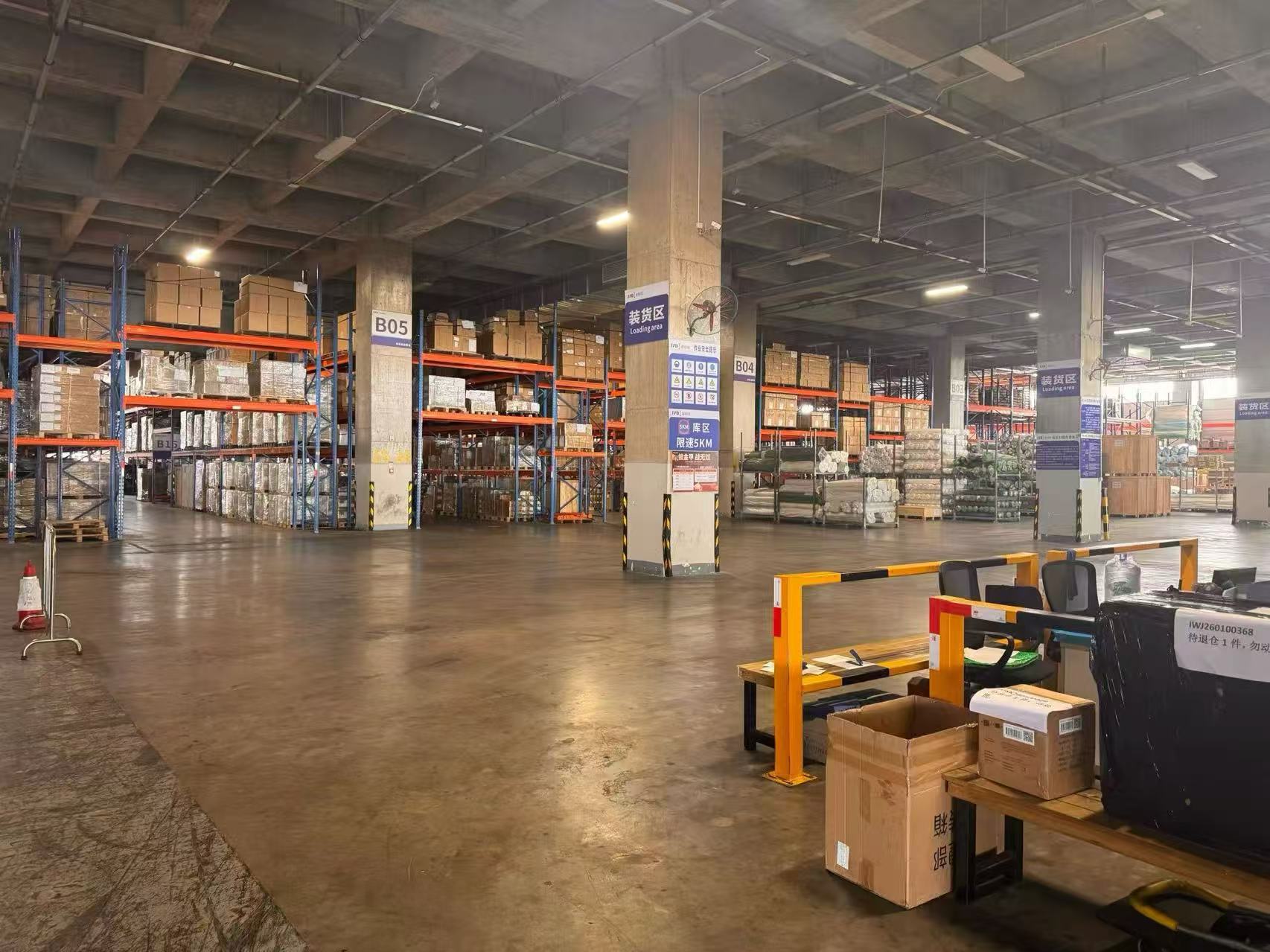
Operational warehousing protocols directly impact billed fuel surcharges because fuel fees apply to total billable weight—which is the higher of actual gross weight or volumetric weight. Sourcing, consolidation, and pre-shipment packing solutions ensure that cargo is re-packed efficiently before handoff to courier networks. Real-world execution, such as handling a 1000kg cosmetics import shipment to the United States, demonstrates that correct ingredient declaration, unified master-carton packaging, and streamlined customs filing prevent operational delays that trigger extended carrier storage and secondary fuel penalty assessments.

Data/Solution Comparison
Understanding the pricing mechanisms across different international express and freight shipping channels helps prevent unbudgeted fuel charges on commercial consignments.
| Logistics Channel | Fuel Surcharge Calculation Method | Rate Stability | Minimum Order Quantity (MOQ) | Typical Delivery Time |
|---|---|---|---|---|
| Direct Carrier Courier (DHL/FedEx/UPS) | Weekly variable index percentage on net freight + select surcharges | Low (adjusts weekly) | 0.5 kg | 3-5 days |
| Forwarder Consolidated Express / DDP | All-inclusive flat rate per kg (fuel pre-calculated) | High (fixed quoted rate) | 21 kg | 4-7 days |
| Standard Air Freight | Fixed fuel index fee per kg locked at master airway bill issuance | Medium-High | 100 kg | 3-7 days |
| Ocean Freight (LCL/FCL) | Bunker Adjustment Factor (BAF) updated monthly/quarterly | High | 1 CBM | 25-30 days |
Frequently Asked Questions (FAQ)
Q1: Why do commercial courier fuel surcharges change weekly?
Commercial express carriers tie fuel surcharges to public spot prices for jet fuel and highway diesel fuel (such as the US Gulf Coast fuel index). As crude oil market prices fluctuate, carriers adjust their published percentage surcharge table on a weekly basis.
Q2: Does DDP (Delivered Duty Paid) shipping eliminate fuel surcharges?
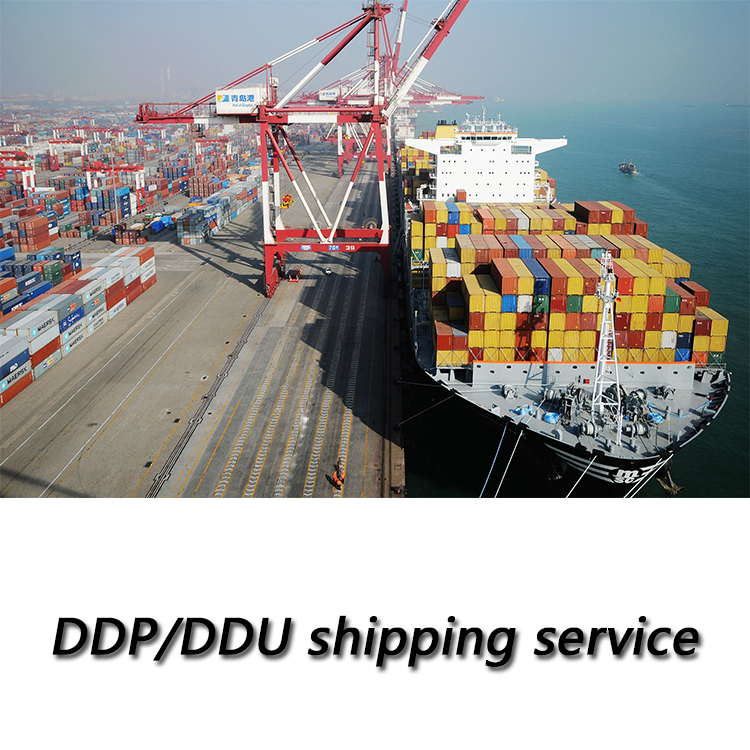
Yes. When utilizing DDP express or DDP air freight services through a freight forwarder, the quote provided is an all-inclusive land cost rate per kilogram or per cubic meter. Fuel, customs clearance, and destination taxes are bundled into the total quote, protecting the shipper from post-shipment fuel adjustments.
Q3: Can improper packaging increase the fuel surcharge on a shipment?
Yes. Fuel surcharges are calculated based on billable weight. If oversized boxes or loose packaging increase the volumetric weight (Length x Width x Height / 5000), the fuel surcharge percentage applies to that higher artificial weight value, increasing total shipping fees.
Final Conclusion & Recommendations
Mitigating fuel surcharge risks requires selecting logistics modes aligned with shipment volume and securing explicit, transparent rate agreements. For smaller sample parcels, utilizing consolidated courier channels locks in predictable costs. For shipments exceeding 100kg, shifting from direct commercial couriers to dedicated air freight provides fixed per-kilogram pricing structure immune to weekly courier index spikes. Payment terms supported for logistics processing include T/T, VISA, PayPal, MasterCard, and MoneyGram. For detailed technical solutions or support, please reach out to us via tony@speed-logistics.net.
About Us
Speed International logistics Co.,Ltd is a China A-class freight forwarder established in 2011, operating a 5,000 square meter main warehouse in Shenzhen with an 80-employee professional service team. The company maintains an annual logistics capacity of RMB 180 million and an export ratio of 90%, specializing in international air freight, sea freight, express services, and one-stop sourcing-warehousing solutions. Holding global Aviation Class I Cargo and NVOCC certifications, the business serves commercial clients across major trade destinations including the USA, UK, UAE, and Canada. The organization has served clients across multiple industries, managing complex project cargo and regulated imports with comprehensive customs clearance protocols.

Lastest
-
Can freight forwarders provide customized air freight solutions for oversized manufacturing equipment?
2026-10-03 -
What is the minimum chargeable volume for LCL sea freight, and how can I negotiate better rates for bulk?
2026-10-03 -
What is the standard procedure for claiming compensation if my goods are damaged during an air freight transit?
2026-10-03 -
Are sea freight rates expected to drop next quarter, or should I look into alternative shipping methods now?
2026-10-03 -
What specific customs documents do I need to prepare to ensure smooth border crossings for railway freight?
2026-10-03
SUBSCRIBE
INQUIRY