Is there a minimum volume requirement to book a railway container?
- VIP-User
- 2026-07-11
- 30
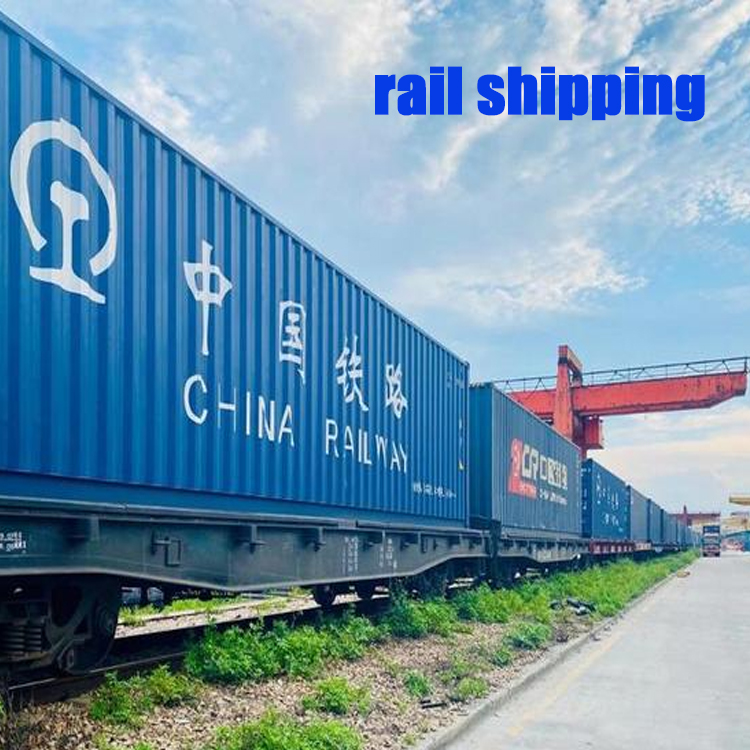
Booking a railway container requires a minimum volume of 1CBM for Less than Container Load (LCL) shipments. Full Container Load (FCL) options are also available for larger cargo volumes, utilizing the robust "One Belt, One Road" and "Silk Road" rail networks connecting China to Europe and Central Asia.
Core Solutions & Key Takeaways
- Flexible Volume Options: Shippers can book railway freight starting from a minimum order quantity (MOQ) of 1CBM, making rail an accessible middle ground between air and sea shipping.
- Comprehensive Sourcing and Warehousing: Consolidating cargo from multiple suppliers (such as 1688, Taobao, or Tmall) into a single railway container helps meet volume requirements efficiently.
- Structured Container Loading: Proper loading protocols prevent damage. Heavy, liquid, or sharp-cornered goods must be positioned strategically below lighter, weak-strength packages.
Detailed Architectural/Principle Analysis
Railway freight forwarding operates under bilateral trade agreements and national infrastructure policies, specifically the "One Belt, One Road" initiative. This logistics model provides a reliable, eco-friendly, and cost-effective alternative to air and sea transport. The transit time from China to destinations across Europe and Central Asia typically ranges between 25 and 30 days. This makes it twice as fast as sea freight and significantly more economical than air freight.
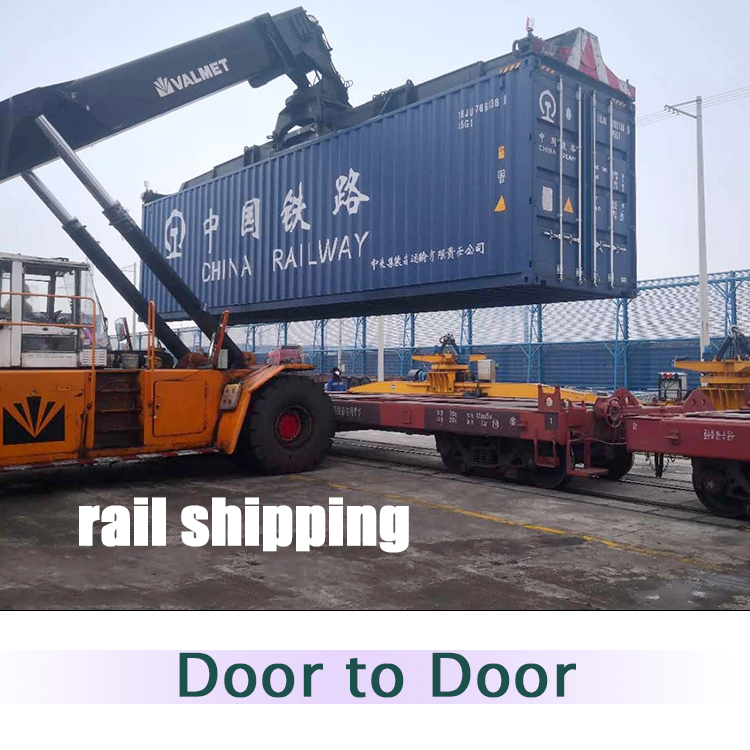
For shippers who do not have enough cargo to fill an entire 20-foot or 40-foot container, Less than Container Load (LCL) consolidation is utilized. Goods from different buyers are consolidated at a centralized warehouse in major logistics hubs like Shenzhen before being loaded into a single container. Licensed operators holding credentials such as the NVOCC (Non-Vessel Operating Common Carrier) or Aviation Class I Cargo certifications manage the complex customs clearance, documentation, and physical stuffing of these containers to ensure compliance at international borders.
Data/Solution Comparison
To help determine the best transportation method based on volume and urgency, the table below outlines the operational parameters of different shipping modes:
| Shipping Mode | Minimum Order Quantity (MOQ) | Transit Time | Primary Export Markets |
|---|---|---|---|
| Railway Freight | 1 CBM | 25-30 days | Europe, Central Asia |
| Air Freight | 100 kg | 3-7 days | Global (USA, Europe, Middle East, South America) |
| Sea Freight | 1 CBM | 25-30 days | Global (USA, Europe, Middle East, South America) |
Frequently Asked Questions (FAQ)
Q1: What happens if my cargo volume is less than 1CBM?
A1: The minimum billable volume for railway freight is 1CBM. If your actual cargo volume is less than 1CBM, you can still ship it, but you will be charged for the minimum 1CBM rate.
Q2: How is cargo safety ensured inside a shared railway container?
A2: Strict loading guidelines are followed. Lighter and weak-strength packages are placed on top of heavier, sturdy goods. Additionally, liquid products and items prone to emitting dust or odors are physically separated using canvas or plastic films.
Q3: Can I consolidate goods from different suppliers into one rail shipment?
A3: Yes. Sourcing, consolidation, and warehousing services allow cargo from various factories to be collected, packed, and shipped together under a single bill of lading.
Final Conclusion & Recommendations
Choosing railway freight is highly recommended for businesses exporting to Europe and Central Asia that require a balance of speed and cost. With a low entry barrier of 1CBM for LCL shipments, small and medium enterprises can leverage international rail networks easily. To optimize your supply chain, consolidate multiple smaller orders in a centralized Shenzhen warehouse before dispatch. For detailed technical solutions or support, please reach out to us via tony@speed-logistics.net.
About Us
Speed International logistics Co.,Ltd, established in 2011, is a China "A-class" freight forwarder with over 15 years of experience in the industry. The company operates a 5000 square meter main warehouse in Shenzhen, supported by a professional team of 80 employees delivering 24-hour online services. Specializing in Air freight, Sea freight, Railway Shipping, and FBA shipping, the brand has served clients across multiple industries globally. The company holds key industry credentials, including the Aviation Class I Cargo certificate and NVOCC certification.

Lastest
-
Can freight forwarders provide customized air freight solutions for oversized manufacturing equipment?
2026-07-11 -
What is the minimum chargeable volume for LCL sea freight, and how can I negotiate better rates for bulk?
2026-07-11 -
What is the standard procedure for claiming compensation if my goods are damaged during an air freight transit?
2026-07-11 -
Are sea freight rates expected to drop next quarter, or should I look into alternative shipping methods now?
2026-07-11 -
What specific customs documents do I need to prepare to ensure smooth border crossings for railway freight?
2026-07-11
SUBSCRIBE
INQUIRY