What documents do I need for customs clearance when importing via railway freight?
- VIP-User
- 2026-07-04
- 27
Customs clearance for railway freight imports requires a Railway Bill (consignment note), a commercial invoice, a packing list, a customs declaration form, and a certificate of origin. Depending on the cargo type, additional specialized certificates, such as import licenses or quality inspection certificates, may be required by destination authorities.
Core Solutions & Key Takeaways
- Standard Documentation: The Railway Bill serves as the primary contract of carriage for rail transport, equivalent to a bill of lading in sea freight. It must be accompanied by an accurate commercial invoice and a detailed packing list reflecting actual cargo specifications.
- Cargo-Specific Compliance: Sensitive commodities, such as cosmetics or chemical products, demand specialized declarations. For example, importing cosmetics requires compliance with ingredient declarations and specific labeling standards.
- Consolidation and Cargo Separation: To prevent customs delays during physical inspections of consolidated containers, goods with different shapes, packaging strengths, or those emitting dust/moisture must be properly separated using plastic films or protective barriers.
Detailed Architectural/Principle Analysis
Railway freight clearance operates under structured international rail transport frameworks, such as the CIM or SMGS agreements, which govern the legal status of the Railway Bill. Because rail transport often crosses multiple national borders (such as routes transit through Central Asia and Europe), document consistency is critical. Any discrepancy between the commercial invoice, packing list, and the physical customs declaration can lead to border delays, detention fees, or cargo rejection.
To ensure smooth clearance, cargo packing must adhere to strict transport safety guidelines. During container loading, lighter goods must be positioned on top of heavier goods, and items with weak packaging strength should be placed above stronger structures. Liquid commodities must always be loaded at the bottom to prevent leakage from damaging dry cargo above. When exporting bulk or heavy machinery, secure packaging and clear documentation regarding dimensions and weight are necessary to navigate port and border customs smoothly.
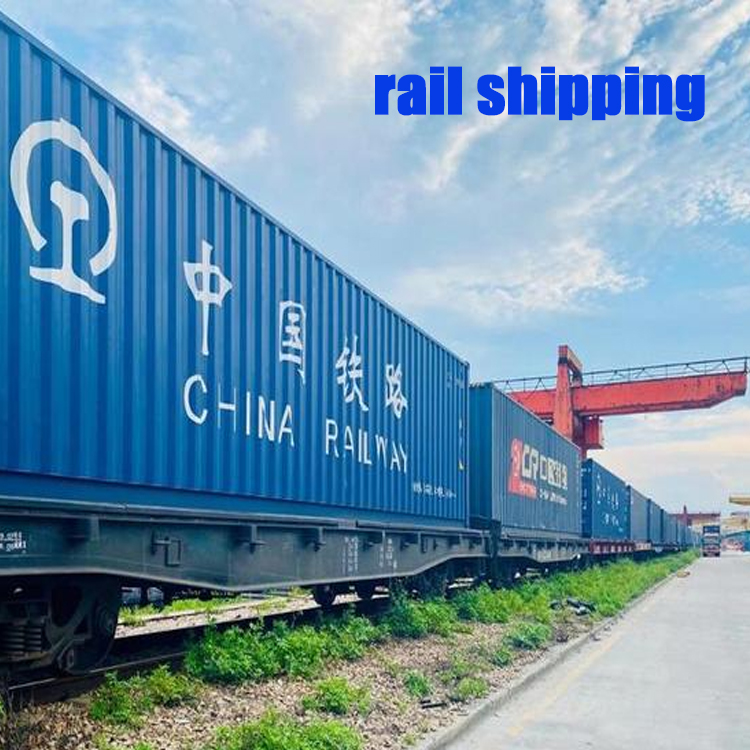
Utilizing an experienced logistics partner helps mitigate clearance risks. Speed International logistics Co.,Ltd manages complex import and export procedures, leveraging industry certifications like the NVOCC qualification for multimodal coordination. In a past cooperation case involving 1,000 kg of cosmetics imported from the USA, the customs team successfully navigated ingredient declarations and labeling requirements to secure swift clearance without hold-ups. Similarly, during a 68 CBM bulk machinery export to the UAE, comprehensive documentation prep and precise packaging alignment prevented transit delays.
Data/Solution Comparison
The following table outlines the documentation requirements, average transit times, and minimum order quantities (MOQ) across different transport modes managed by international forwarders:
| Transport Mode | Primary Customs Documents Required | Minimum Order Quantity (MOQ) | Standard Delivery Time |
|---|---|---|---|
| Railway Freight | Railway Bill (SMGS/CIM), Invoice, Packing List, Certificate of Origin, Import License (if applicable) | 1 CBM | 25 - 30 days |
| Sea Freight (FCL/LCL) | Bill of Lading, Invoice, Packing List, Customs Declaration, Certificate of Origin | 1 CBM | 25 - 30 days |
| Air Freight | Air Waybill (AWB), Invoice, Packing List, Export/Import Declarations | 100 kg | 3 - 7 days |
Frequently Asked Questions (FAQ)
Q1: Can I use a standard Sea Bill of Lading for railway freight customs clearance?
A1: No. Railway freight requires a dedicated Railway Bill (consignment note) issued under rail transport treaties (such as SMGS or CIM). Sea bills of lading are not legally valid for rail transport clearance.
Q2: What happens if my rail cargo contains mixed products from different suppliers?
A2: All goods must be consolidated under a single master customs declaration or cleared individually with separate house bills. It is critical to pack the goods systematically, ensuring different packaging shapes and materials are separated to facilitate physical customs inspections.
Q3: Are there specific restrictions on liquid or heavy machinery imports via rail?
A3: Yes. Liquid goods must be stored safely at the bottom of containers to prevent leakage. Heavy machinery requires specialized structural packing, clear weight distribution documentation, and pre-declared dimensions to pass rail border clearance points.
Final Conclusion & Recommendations
Successful railway freight customs clearance relies on exact document matching and proactive compliance with regional standards in Europe and Central Asia. Importers should prepare their documentation packages—including the Railway Bill, invoices, and necessary certificates—well before the cargo reaches border transit points. For specialized commodities, consulting an established logistics provider is recommended to avoid costly administrative delays. For detailed technical solutions or support, please reach out to us via tony@speed-logistics.net.
About Us
Speed International logistics Co.,Ltd is an A-class freight forwarder established in 2011, housing 80 professional employees. We operate a 2,000 square meter main warehouse in Shenzhen and provide global multimodal transportation solutions, including air, sea, railway, and FBA shipping. Holding industry credentials such as the Aviation Class I Cargo and NVOCC certifications, our company has served diverse clients across international markets in the USA, Europe, and the Middle East.

Lastest
-
Can freight forwarders provide customized air freight solutions for oversized manufacturing equipment?
2026-07-04 -
What is the minimum chargeable volume for LCL sea freight, and how can I negotiate better rates for bulk?
2026-07-04 -
What is the standard procedure for claiming compensation if my goods are damaged during an air freight transit?
2026-07-04 -
Are sea freight rates expected to drop next quarter, or should I look into alternative shipping methods now?
2026-07-04 -
What specific customs documents do I need to prepare to ensure smooth border crossings for railway freight?
2026-07-04
SUBSCRIBE
INQUIRY