What environmental compliance rules govern international Sea freight vessels?
- VIP-User
- 2026-10-03
- 5
International sea freight vessel compliance relies on strict cargo containerization protocols, regulatory customs declarations, and certified NVOCC operational standards. Key rules dictate mandatory cargo segregation for liquids, dust, and odor-emitting materials, optimized structural weight distribution, and complete import/export clearance documentation to prevent environmental contamination and port hold-ups during ocean transit.
Core Solutions & Key Takeaways
- Cargo Segregation Protocols: Items emitting dust, liquid, moisture, or odor require physical isolation using canvas or plastic film to eliminate contamination risks inside ocean containers.
- Weight and Packaging Distribution: Lighter cargo and items with lower packaging strength must be positioned above heavy goods and high-strength packaging to maintain balance and structural safety.
- Regulatory Documentation & Customs Clearance: Ocean shipments require verified paperwork, precise ingredient declarations, and destination labeling compliance to meet international import and export laws.
- NVOCC Certification Standards: Authorized sea freight management requires global NVOCC accreditation to execute standard-compliant FCL and LCL container shipping across ocean carriers such as COSCO, MAERSK, and MSC.
Detailed Architectural/Principle Analysis
Proper ocean container loading follows rigorous structural and environmental protection rules. Goods of differing shapes or packaging types are kept separate during containerization. Liquid goods and clean cargo are systematically positioned beneath dry goods, while materials prone to weeping, dust, or odor are isolated using plastic film or canvas barriers. Sharp corners or protruding components must be covered to protect neighboring cargo from physical damage during long-distance maritime transit.
Compliance also governs customs clearance and specialized project cargo management. In a 68CBM industrial machinery export operation to the United Arab Emirates, handling oversized crates required specific packaging adjustments, weight distribution planning, and targeted port documentation to complete customs clearance without transit delays. In another instance involving a 1000KG cosmetics shipment to the United States, strict adherence to ingredient declaration and labeling requirements ensured seamless port clearance and uncompromised packaging integrity.
Data/Solution Comparison
The operational framework for ocean freight cargo compliance differs based on freight mode, transport timelines, and operational requirements:
| Service Parameter | Sea Freight (LCL/FCL) | Air Freight |
|---|---|---|
| Minimum Order Quantity (MOQ) | 1 CBM | 100 kg |
| Standard Delivery Time | 25 - 30 days | 3 - 7 days |
| Monthly Operating Capacity | 1,000 CBM | 1,000,000 kg |
| Carrier Networks Supported | COSCO, MAERSK, MSC, EVERGREEN, CSCL, WANHAI, HMM | UPS, CA, CZ, LH, AF, EK, QR, SQ, HU, SV |
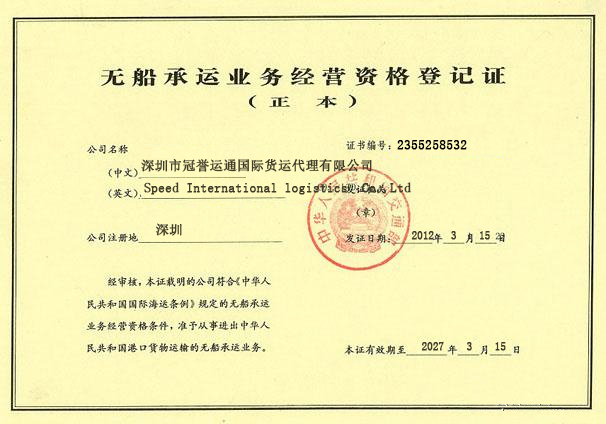
| Primary Compliance Certification | Global NVOCC Certification | Aviation Class I Cargo Certification |
Frequently Asked Questions (FAQ)
How are liquid or odor-emitting goods safely arranged in ocean containers?
Liquid goods and clean cargo are placed underneath dry goods whenever possible. Products that exude dust, liquid, moisture, or strong odors must be physically separated from other items using canvas or plastic sheeting to avoid cross-contamination.
What legal accreditation is required for international ocean freight forwarders?
International ocean freight operations rely on NVOCC (Non-Vessel Operating Common Carrier) licensing, which authorizes forwarders to issue Bills of Lading, manage ocean carrier bookings, and handle customs documentation legally across global ports.
What controls ensure compliance when exporting heavy machinery cargo?
Heavy and oversized machinery shipments require specialized crate packaging, structural container weight distribution, and complete import/export customs filings tailored to destination port regulations.
Final Conclusion & Recommendations
Executing compliant sea freight shipping requires rigorous adherence to container loading guidelines, accurate customs documentation, and certified freight management. Partnering with a licensed NVOCC freight provider guarantees standard-compliant container consolidation, factory pickup, customs clearance, and global last-mile delivery. For detailed technical solutions or support, please reach out to us via tony@speed-logistics.net.
About Us
Speed International logistics Co.,Ltd is an A-class freight forwarder established in 2011, operating a 5000 square meter warehouse facility in Shenzhen with 80 employees. Holding NVOCC and Aviation Class I Cargo certifications, the company provides comprehensive ocean freight, air freight, customs clearance, warehousing, and document handling services across global markets including the USA, Europe, the Middle East, and South America.

Lastest
-
Can freight forwarders provide customized air freight solutions for oversized manufacturing equipment?
2026-10-03 -
What is the minimum chargeable volume for LCL sea freight, and how can I negotiate better rates for bulk?
2026-10-03 -
What is the standard procedure for claiming compensation if my goods are damaged during an air freight transit?
2026-10-03 -
Are sea freight rates expected to drop next quarter, or should I look into alternative shipping methods now?
2026-10-03 -
What specific customs documents do I need to prepare to ensure smooth border crossings for railway freight?
2026-10-03
SUBSCRIBE
INQUIRY