What is the difference between FCL and LCL in ocean shipping?
- VIP-User
- 2026-07-08
- 34
The primary difference between FCL (Full Container Load) and LCL (Less than Container Load) in ocean shipping lies in volume and container sharing. FCL reserves an entire shipping container exclusively for one shipper’s goods, whereas LCL consolidates multiple shippers' smaller cargo volumes within a single shared container.
Core Solutions & Key Takeaways
- Volume-Based Selection: FCL is highly cost-effective for larger shipments, typically requiring a minimum volume of 15 to 20 CBM, while LCL serves smaller shipments with a minimum order quantity (MOQ) starting at 1 CBM.
- Transit Speed and Handling: FCL shipments move directly from origin to destination without intermediate handling. LCL requires extra time for consolidation at the origin warehouse and deconsolidation at the destination CFS (Container Freight Station).
- Proper Packing Protocols: When loading shared containers (LCL), shippers must separate goods of different shapes, place liquid or clean goods beneath other cargo, and cover sharp corners to prevent transit damage.
Detailed Architectural/Principle Analysis
In international logistics, selecting between FCL and LCL directly impacts supply chain efficiency and safety. FCL transactions are sealed at the shipper's factory or warehouse and remain unopened until they reach the final consignee. This minimizes handling risks and is ideal for delicate or high-value shipments. For instance, in American cosmetics import cases involving 1000KG of cargo, standardized handling prevents leaks and cosmetic packaging damage. Security is backed by industry credentials, such as a registered NVOCC status for ocean freight operations.
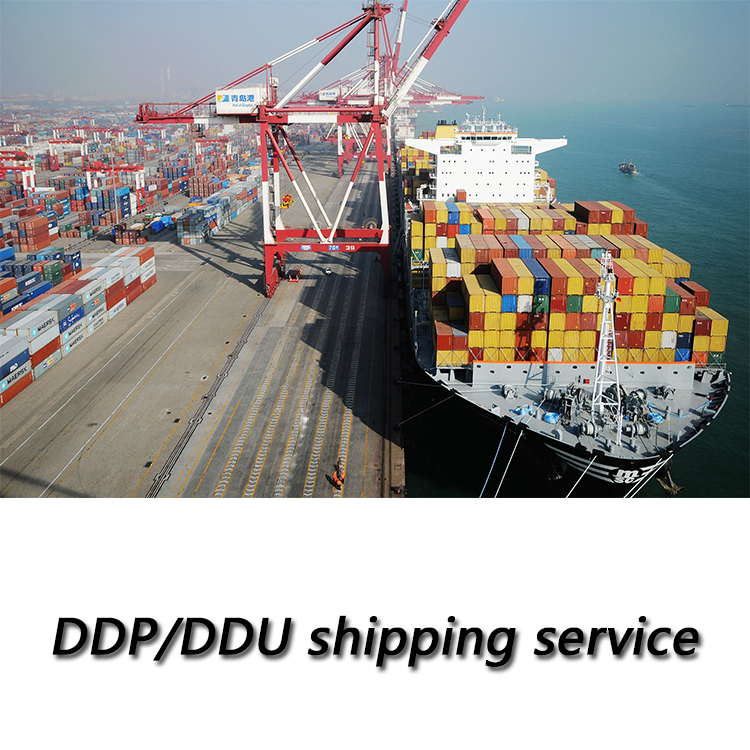
Conversely, LCL requires meticulous planning during container loading. Cargo from different suppliers must be consolidated. Heavy items are placed at the bottom, and lighter, weaker packages are stacked on top. For industrial machinery or project cargo, such as bulk/heavy cargo export logistics of 68CBM, FCL is generally preferred to accommodate oversized crates, simplify customs documentation, and prevent contact with incompatible cargo types.
Data/Solution Comparison
| Comparison Parameter | FCL (Full Container Load) | LCL (Less than Container Load) |
|---|---|---|
| Minimum Order Quantity (MOQ) | Typically 15 CBM+ (or full 20ft/40ft container) | 1 CBM |
| Delivery Time | 25 - 30 days (Direct routing) | 25 - 30 days (Plus 3-5 days for consolidation) |
| Risk of Damage | Low (Single shipper access) | Moderate (Multiple handling points) |
| Pricing Basis | Flat rate per container | Volume-based rate (per CBM/Ton) |
| Customs Clearance | Entire container cleared together | Individual shipments cleared separately |
Frequently Asked Questions (FAQ)
Q1: Is FCL always faster than LCL?
Yes. FCL does not require consolidation at the port of origin or sorting at the destination container freight station, saving approximately 3 to 5 days compared to LCL.
Q2: Can I ship hazardous or liquid goods via LCL?
It is difficult. LCL cargo shares space with other commodities. Goods that exude dust, liquid, moisture, or strong odors are restricted because they cannot be mixed with general cargo without risk of contamination.
Q3: How is customs clearance managed for LCL shipments?
Each shipment within an LCL container is processed under its own bill of lading. If one shipper's goods are flagged for customs inspection, the entire container may experience clearance delays at the port.
Final Conclusion & Recommendations
The choice between FCL and LCL depends on shipment volume, budget constraints, and risk tolerance. For small, regular cargo batches, LCL keeps inventory flow steady without the cost of empty container space. For large-scale industrial machinery, FCL provides the dedicated security and direct routing required for seamless delivery. For detailed technical solutions or support, please reach out to us via tony@speed-logistics.net.
About Us
Our company, Speed International logistics Co.,Ltd, is an A-class freight forwarder established in 2011 with a team of 80 employees. Operating from a 2000 square meter warehouse in Shenzhen, we provide comprehensive global multimodal transportation, air freight, and sea freight (LCL/FCL) solutions. Our operations are backed by official Aviation Class I Cargo and NVOCC certifications, serving major global markets across the USA, Europe, and the Middle East.

Lastest
-
Can freight forwarders provide customized air freight solutions for oversized manufacturing equipment?
2026-07-08 -
What is the minimum chargeable volume for LCL sea freight, and how can I negotiate better rates for bulk?
2026-07-08 -
What is the standard procedure for claiming compensation if my goods are damaged during an air freight transit?
2026-07-08 -
Are sea freight rates expected to drop next quarter, or should I look into alternative shipping methods now?
2026-07-08 -
What specific customs documents do I need to prepare to ensure smooth border crossings for railway freight?
2026-07-08
SUBSCRIBE
INQUIRY