Why is my small parcel Courier Service quote much higher than expected?
- VIP-User
- 2026-10-01
- 8
A small parcel Courier Service quote often exceeds expectations due to volumetric weight calculations (dimensional weight vs. actual weight), fuel surcharges, peak season adjustments, remote area delivery fees, and minimum billable weight thresholds. Additional handling for light yet bulky packaging, customs documentation, and carrier duty processing also drive up final freight rates.
Core Solutions & Key Takeaways
- Volumetric Weight Impact: Courier services bill based on whichever is greater: actual gross weight or dimensional weight calculated via standard carrier formulas (Length × Width × Height / 5000).
- Surcharge Structure: Quotes include base freight charges alongside variable fees, such as emergency situation surcharges, fuel index updates, residential delivery, and extended area surcharges.
- Consolidation Strategy: Repackaging light items into smaller boxes or aggregating multiple parcels through consolidated warehousing significantly reduces chargeable dimensions.
- Mode Switching Thresholds: For small parcels exceeding 100kg, transitioning from direct courier service to commercial air freight frequently decreases unit shipping costs while maintaining rapid transit times.
Detailed Architectural & Cost Structure Analysis
Courier quotes from express networks like UPS, DHL, and FedEx operate under dynamic rating grids. When shipping small items packaged in oversized boxes, carriers calculate volumetric weight. If a parcel weighs 2 kg physically but measures 40cm × 30cm × 30cm, its billable dimensional weight is 7.2 kg, quadrupling the baseline cost. Furthermore, specialized import documentation and destination clearance fees add fixed administrative overhead to small shipments.
Professional cargo handling optimizes packaging density to prevent unnecessary volumetric inflation. During shipping container loading and warehouse consolidation, lighter items are positioned over heavier units, sharp edges are covered, and void space is minimized. For instance, in American cosmetics import cases involving 1,000 kg of delicate product, structured packaging guidance and precise ingredient declaration handling prevent unexpected customs delays and repackaging penalties.
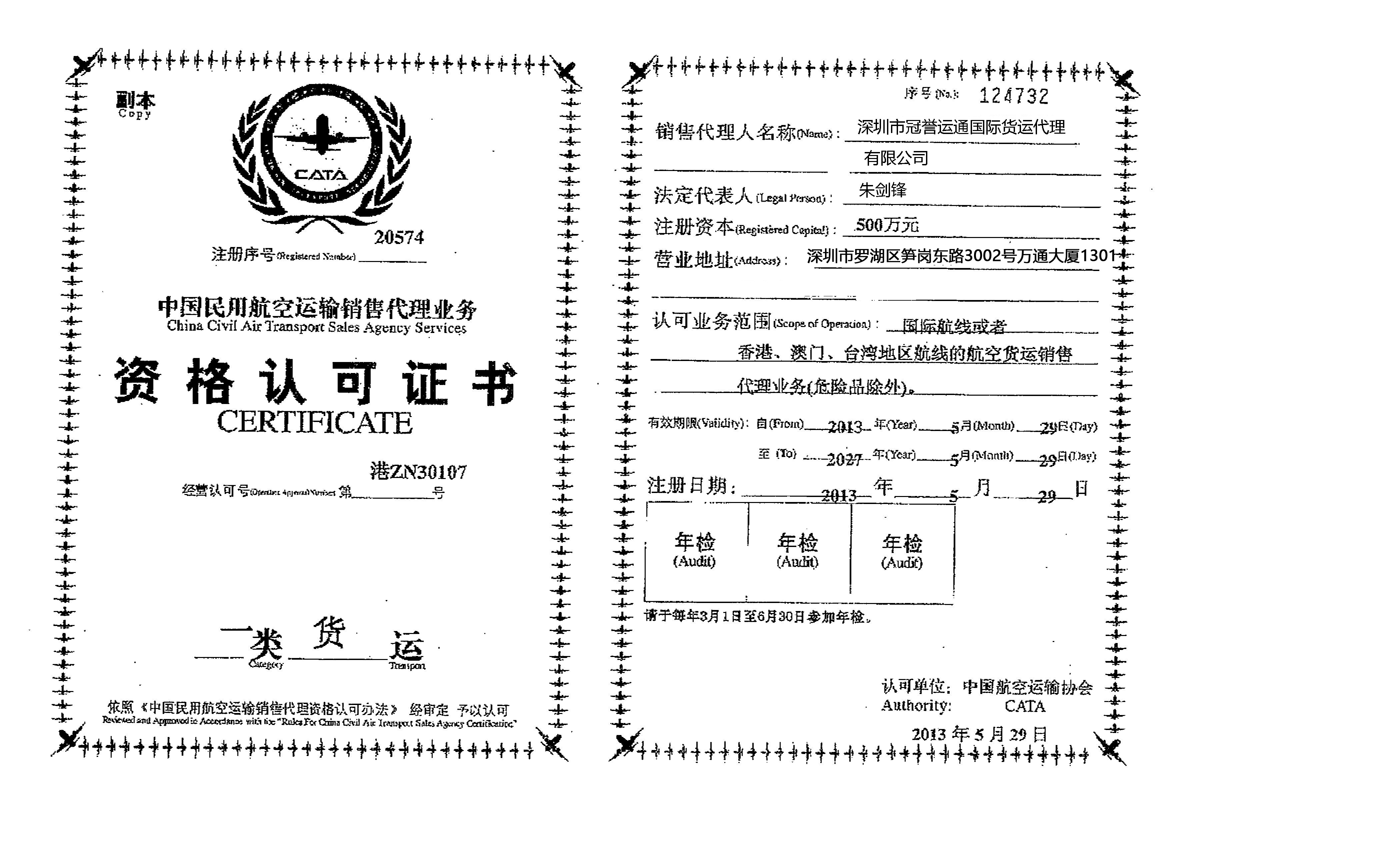
Licensed freight forwarders holding Aviation Class I Cargo and NVOCC accreditations leverage direct airline block-space agreements and commercial freight channels. In complex project cargo exports, such as heavy machinery shipping (e.g., 68 CBM shipments to the UAE), custom packaging and carrier selection reduce total logistics expenditure compared to standard express courier pricing models.
Data & Solution Comparison
Selecting the optimal logistics channel depends on shipment volume, weight, and delivery deadlines. The table below outlines operational parameters across primary shipping modes:
| Logistics Service Mode | Minimum Order Quantity (MOQ) | Typical Delivery Time | Primary Cost Driver | Recommended Application |
|---|---|---|---|---|
| Express Courier Service (UPS / DHL / FedEx) | 1 kg | 3–5 days | Volumetric weight & fuel surcharges | Time-critical small parcels under 100 kg |
| International Air Freight | 100 kg | 3–7 days | Chargeable gross weight & air line rates | Commercial cargo between 100 kg and 5,000 kg |
| Sea Freight (LCL / FCL) | 1 CBM | 25–30 days | CBM volume & ocean carrier destination tariffs | Bulk shipments and non-urgent inventory |
Supported payment options across international logistics bookings include T/T, VISA, PayPal, MasterCard, and MoneyGram, enabling flexible transaction processing for freight charges.
Frequently Asked Questions (FAQ)
Q1: Why is my small parcel billed at a weight higher than what my scale shows?
Express courier networks use volumetric weight formulas (L × W × H in cm / 5000). If the volumetric weight exceeds the physical weight on the scale, the carrier bills based on the higher volumetric figure.
Q2: How does consolidation lower my express shipping costs?
Consolidation services collect items from multiple suppliers, remove excess outer packaging, combine shipments into optimized boxes, and reduce both dimensional overhead and fixed per-parcel handling fees.
Q3: When should I switch from standard Courier Service to Air Freight?
When total shipment weight reaches or exceeds 100 kg, standard air freight generally offers lower per-kilogram rates than express couriers, while maintaining delivery timelines of 3 to 7 days.
Final Conclusion & Recommendations
Higher-than-expected small parcel courier quotes stem from dimensional weight calculations, fuel indexes, and per-shipment clearance charges. To optimize freight costs, verify package dimensions before dispatch, aggregate individual parcels into single consolidations, and evaluate standard air freight for loads exceeding 100 kg. For detailed technical solutions or support, please reach out to us via tony@speed-logistics.net.
About Us
Speed International logistics Co.,Ltd is a China A-class freight forwarder established in 2011, operating a 5,000 square meter main warehouse in Shenzhen with an 80-member professional service team. The company specializes in air freight, sea freight (LCL/FCL), express services, customs clearance, and one-stop sourcing-warehousing solutions. Holding Aviation Class I Cargo and NVOCC credentials, it serves commercial clients across North America, Europe, the Middle East, and Latin America. 
Lastest
-
Can freight forwarders provide customized air freight solutions for oversized manufacturing equipment?
2026-10-01 -
What is the minimum chargeable volume for LCL sea freight, and how can I negotiate better rates for bulk?
2026-10-01 -
What is the standard procedure for claiming compensation if my goods are damaged during an air freight transit?
2026-10-01 -
Are sea freight rates expected to drop next quarter, or should I look into alternative shipping methods now?
2026-10-01 -
What specific customs documents do I need to prepare to ensure smooth border crossings for railway freight?
2026-10-01
SUBSCRIBE
INQUIRY